
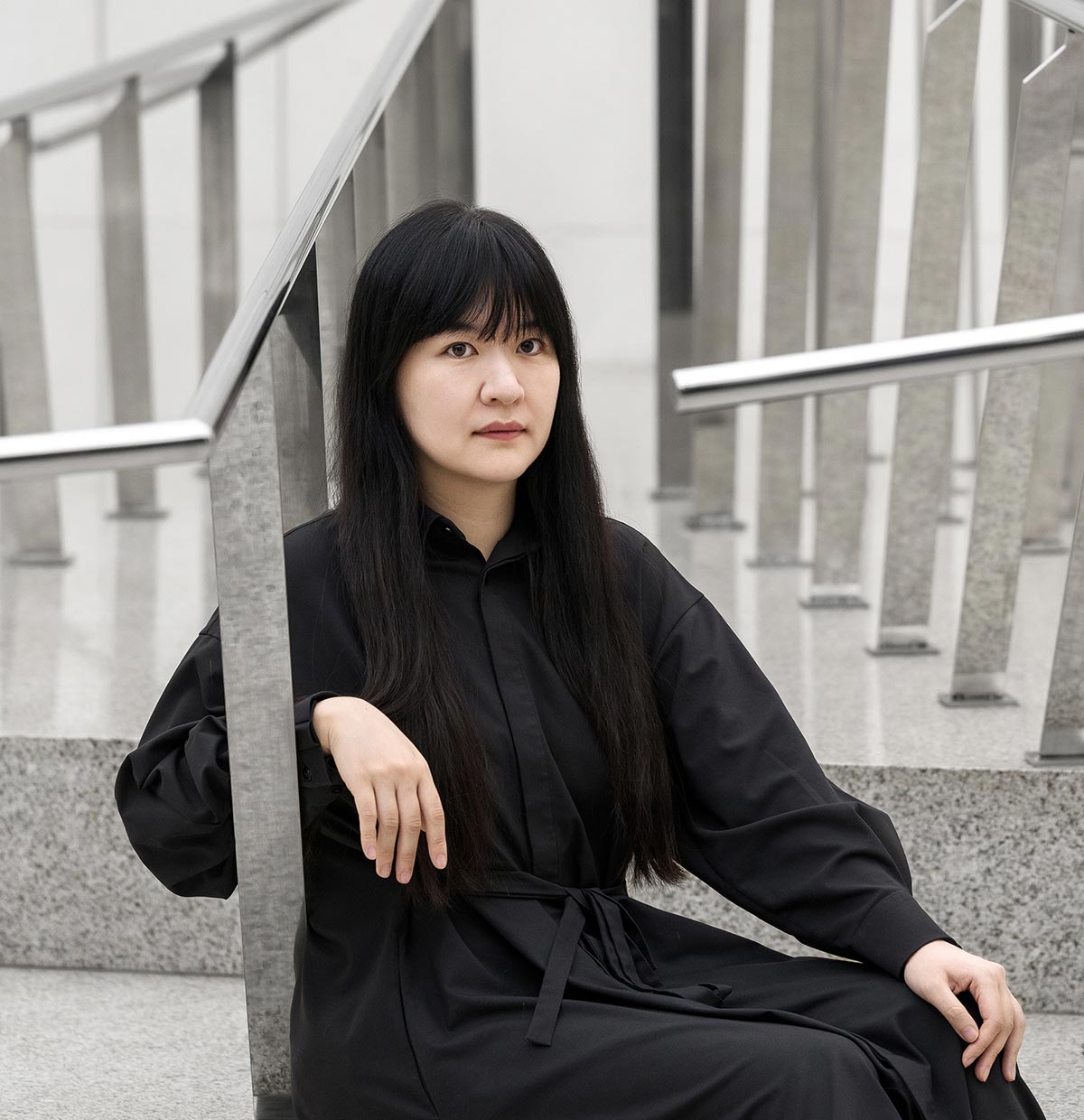
策展人
曾 令理|Ling-Li Tseng
陽明交通大學建築研究所所長
Passing Through Art; As the City Passes Through Art
Sometimes we encounter art while rushing to catch a train, sitting down to wait for someone, or simply crossing a plaza. And sometimes, on an ordinary afternoon, we unexpectedly notice how light and wind meet a work of art, creating a moment that feels somehow different from the everyday.
Public art has long been a marker within the city—a work placed and observed, becoming a landmark or simply a familiar place where people agree to meet. Yet in recent years, public art has begun to take on many different forms.
Its creators come from increasingly diverse fields—from art, architecture, and landscape to design and technology—and the works themselves are moving beyond the idea of art as a singular object. Some invite us to sit; others allow us to pass through. Some create spaces we can enter, while others quietly transform with the wind, light, temperature, or the presence of people. Some exist within a third realm where the physical and virtual intersect, waiting to be activated.
Looking, then, is no longer the only way we encounter art.
We can enter it, move through it, and linger within it. Through a screen, we might discover a landscape that did not exist before our eyes. And sometimes, without even realizing it, we ourselves have become part of the work.
Perhaps this is where the “public” in public art truly resides: in these encounters without thresholds. As we pass through art, art is also passed through by the city—by its light and wind, by time and the lives of its people. Public art does not simply exist within the city; it also allows the city to enter into art.
In one sentence,
discover why this artwork is worth a pause when you’re in Taipei.
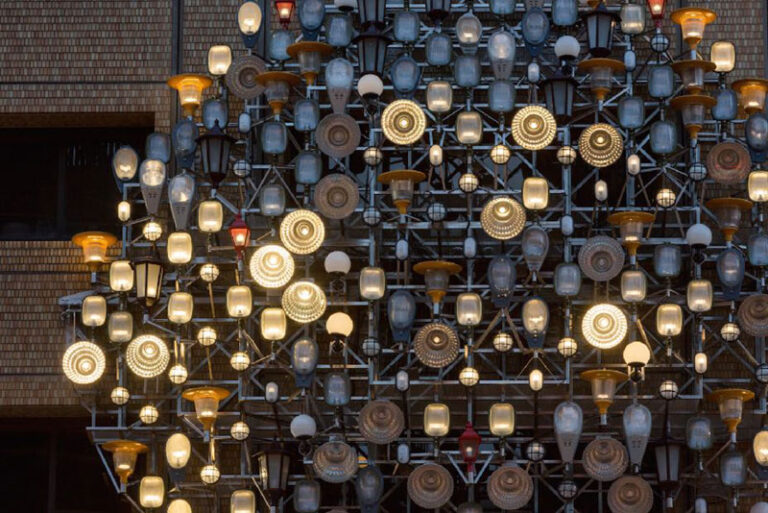
Brightly Shines the Sun
- Kinetic Installation|2016
TAW INSTALLATIONS
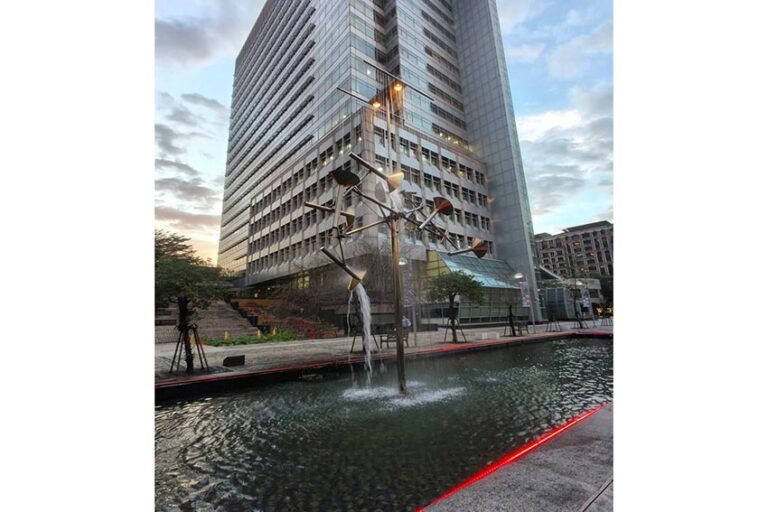
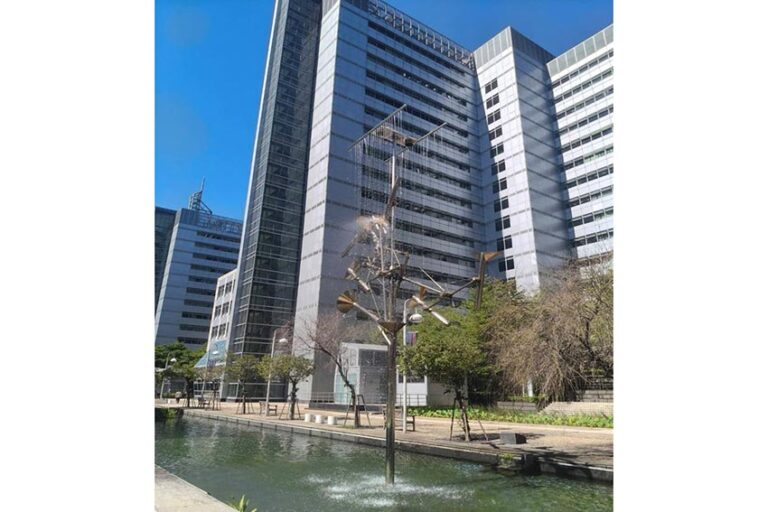
Birth of Rainbow
- Water Feature|2004
TAW INSTALLATIONS
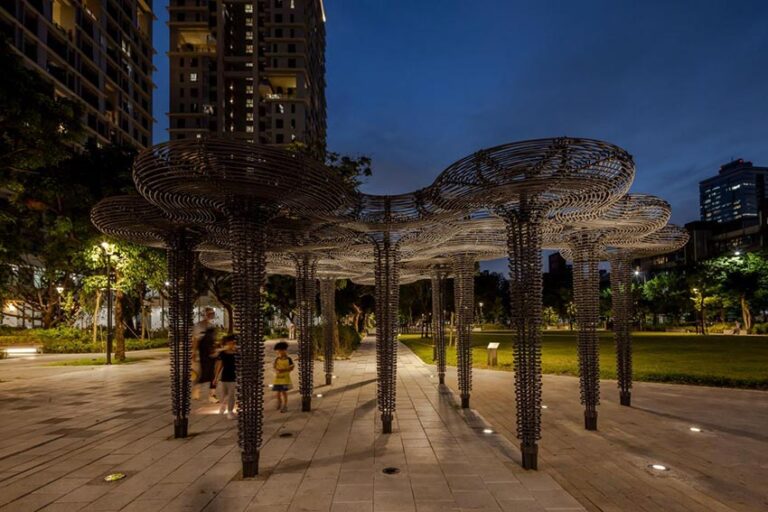
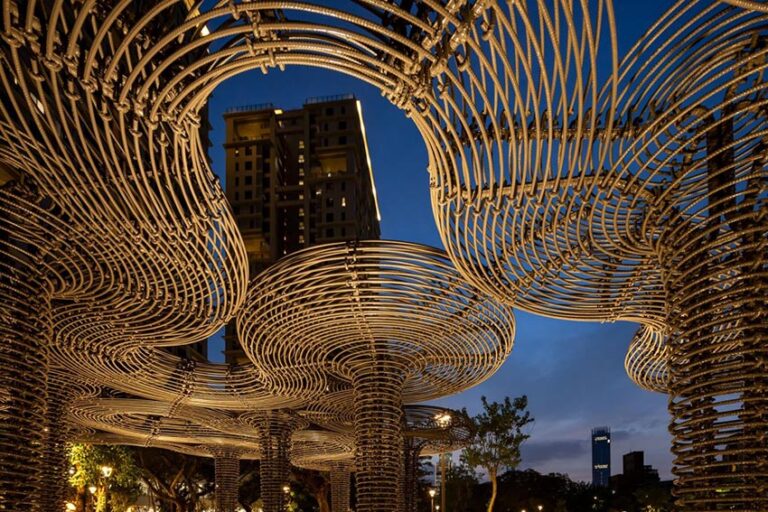
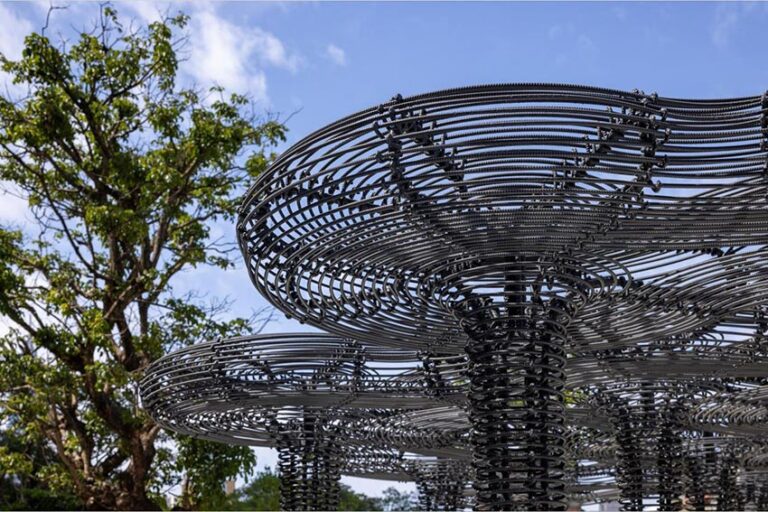
LIVING ROOM IN THE LANDSCAPE
- Sculpture|2023
TAW INSTALLATIONS
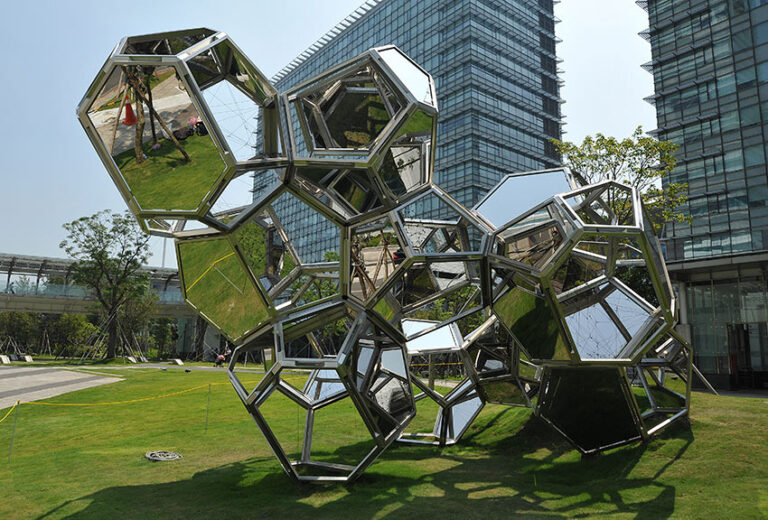
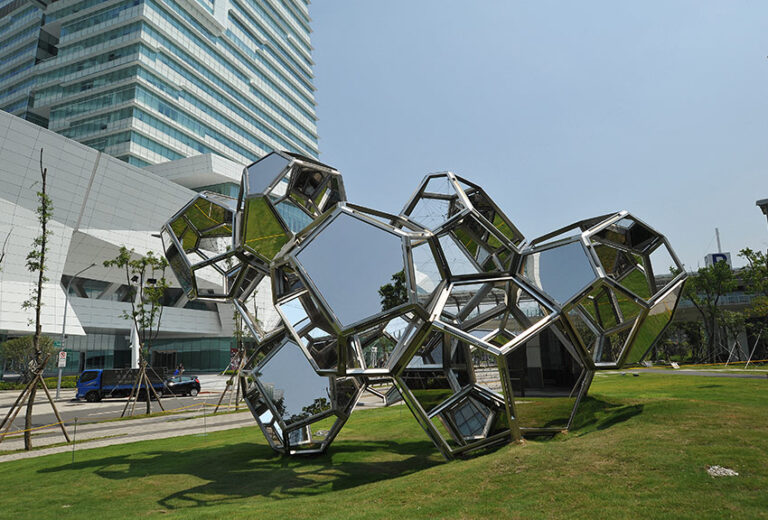
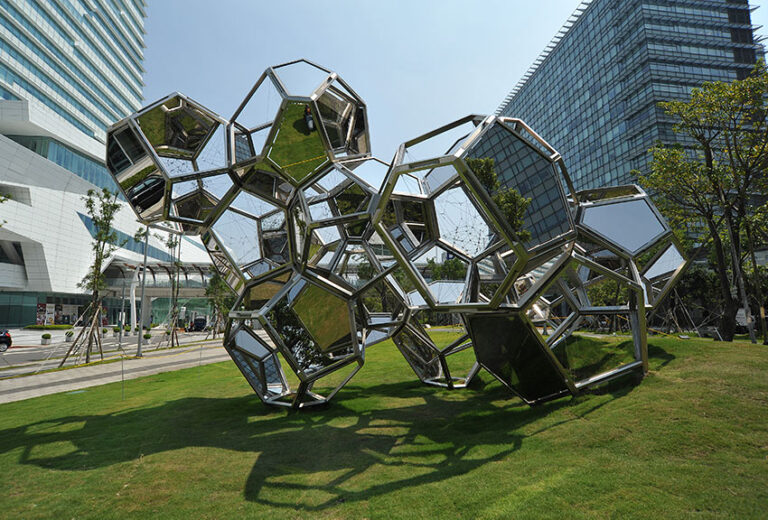
Cloud City: HAT-P-12
- Others|2016
TAW INSTALLATIONS
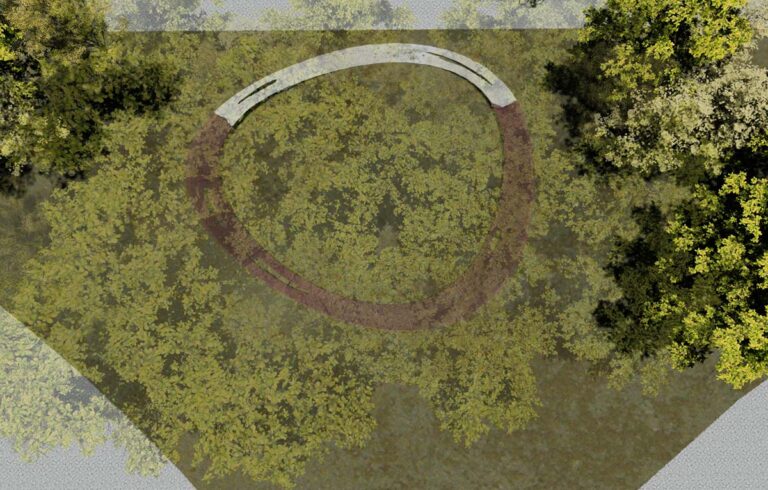
Time Flowing Loop
- Sculpture|2024
TAW INSTALLATIONS
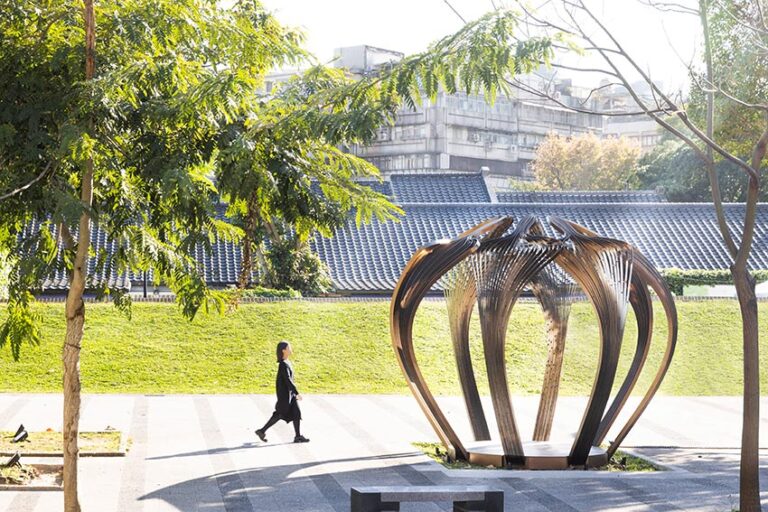
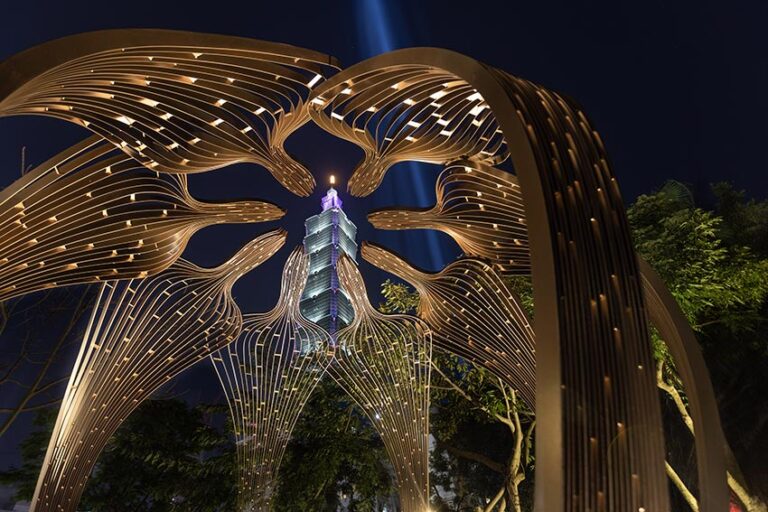
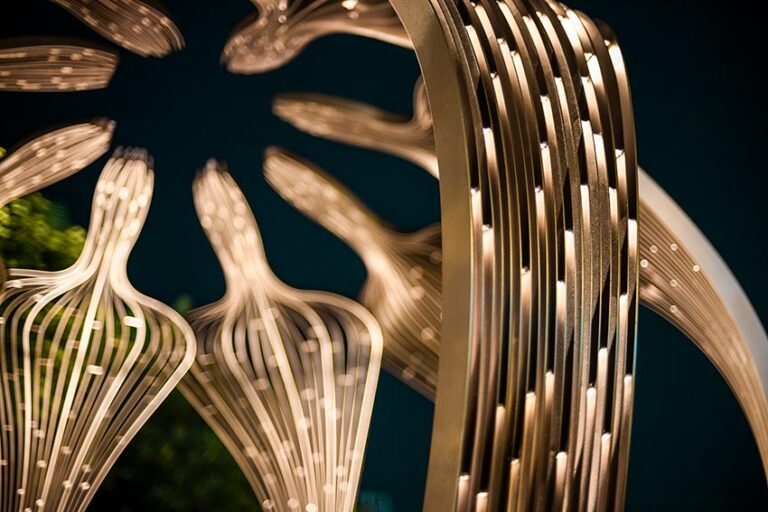
Gathering Pavilion
- Sculpture|2023
TAW INSTALLATIONS
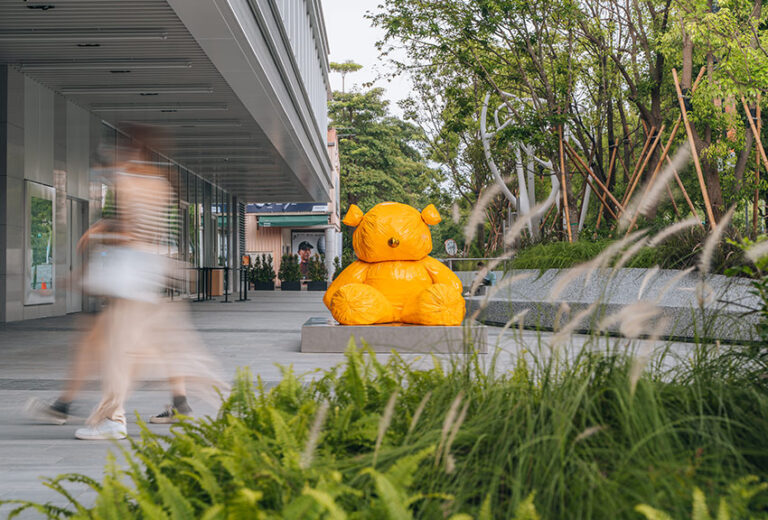
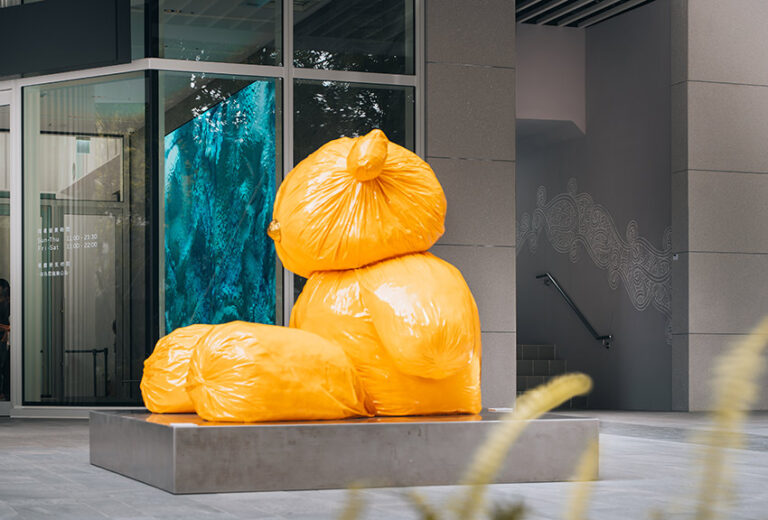
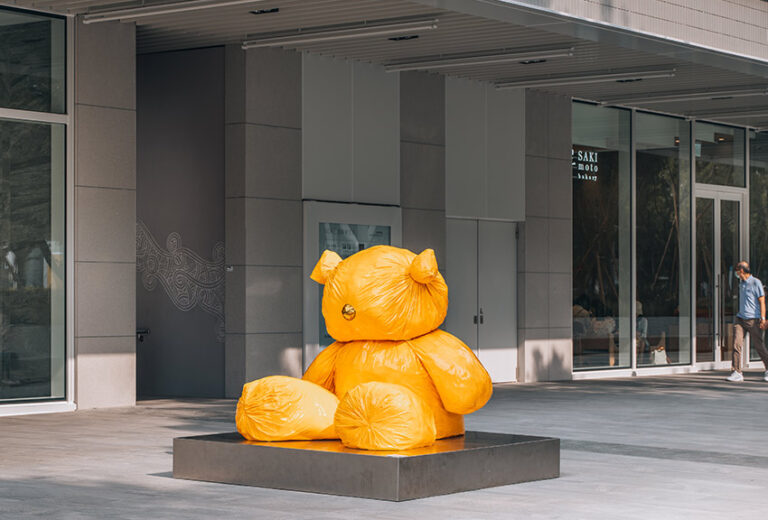
Bearlike Construction
- Sculpture|2012
TAW INSTALLATIONS
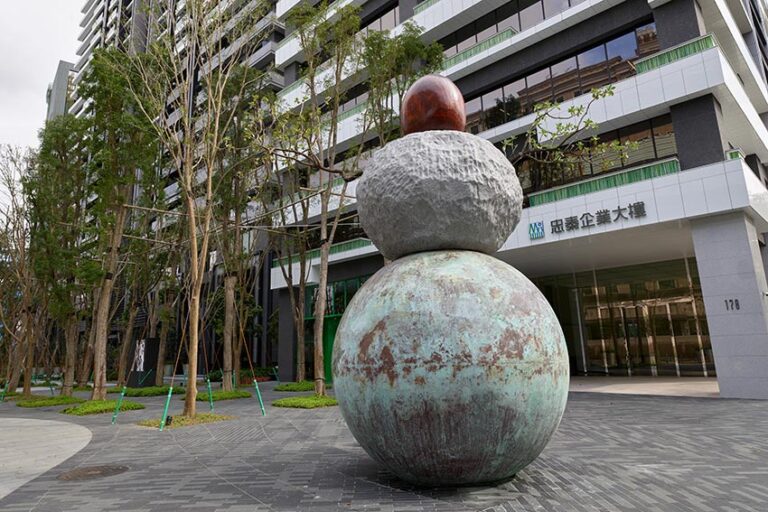
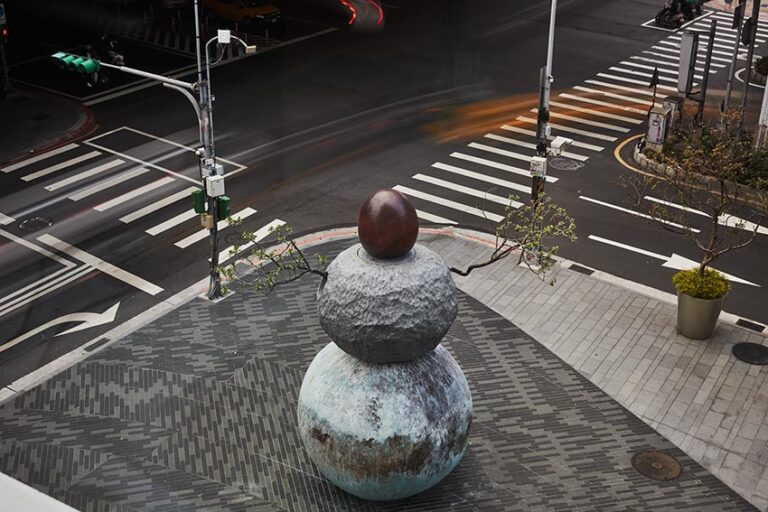
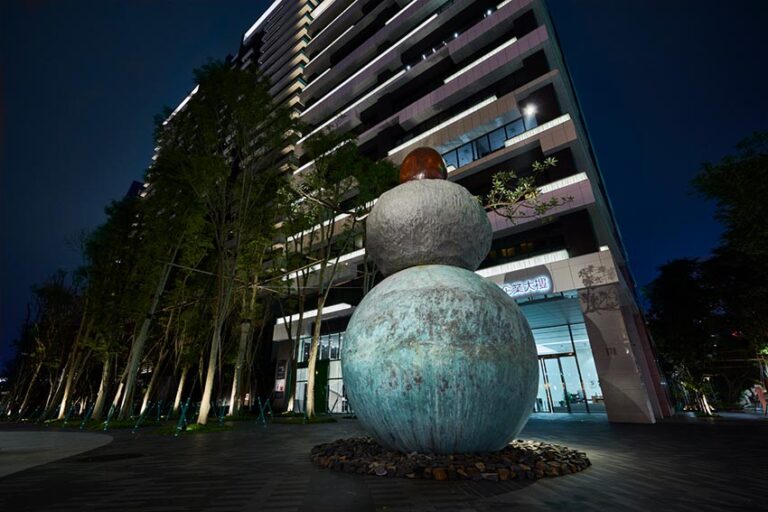
The Great Assistant
- Sculpture|2016
TAW INSTALLATIONS
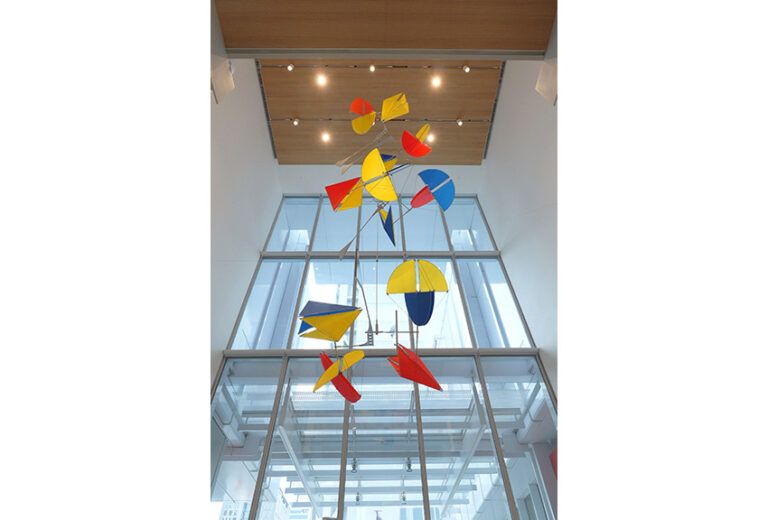
〈The Galaxy〉
- Kinetic Installation|2024
TAW INSTALLATIONS
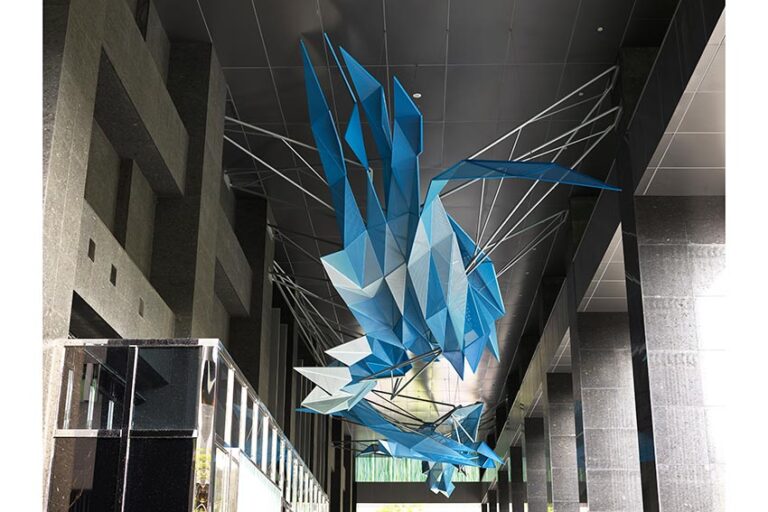
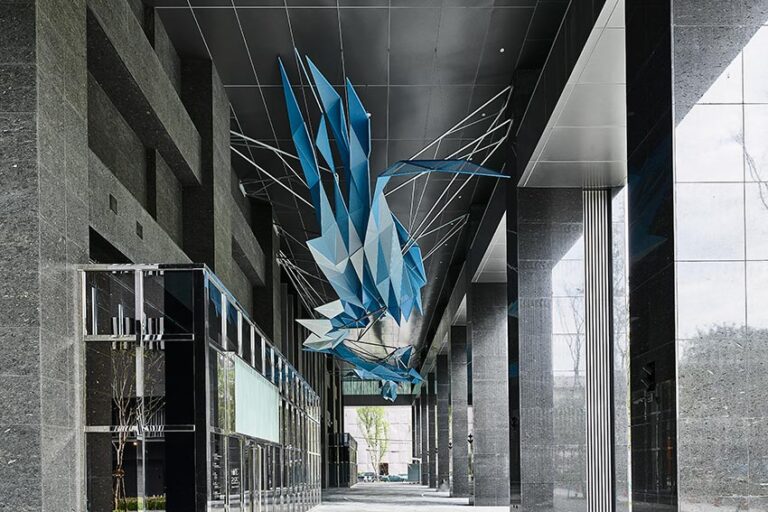
Crystal Cloud
- Hanging / Wall-mounted|2016
TAW INSTALLATIONS
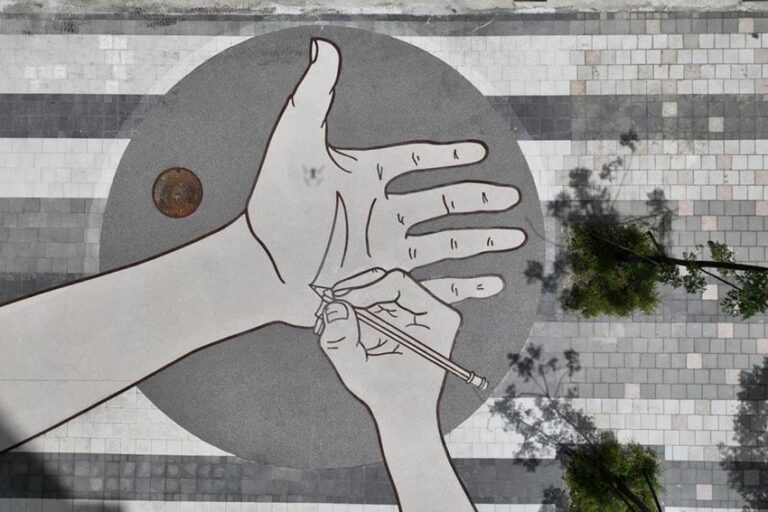
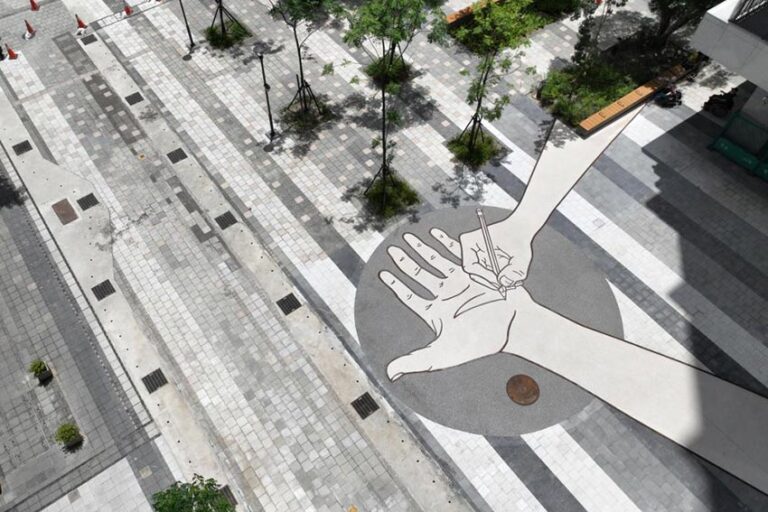
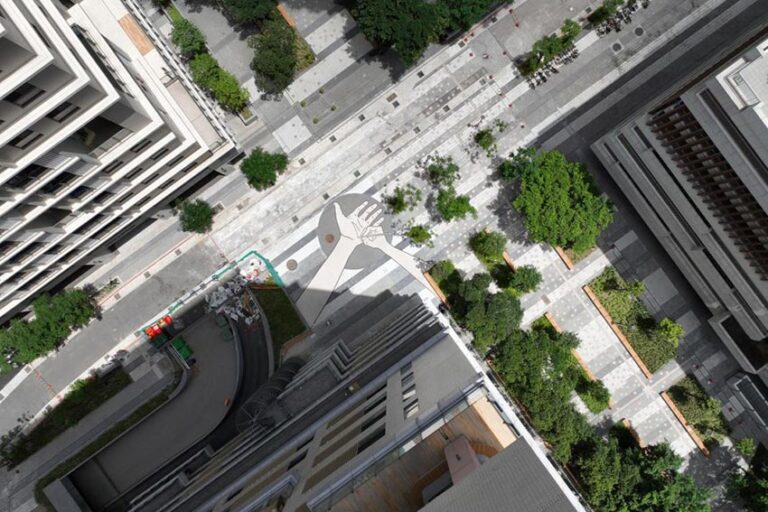
TRACING FUTURE
- Painting|2023
TAW INSTALLATIONS
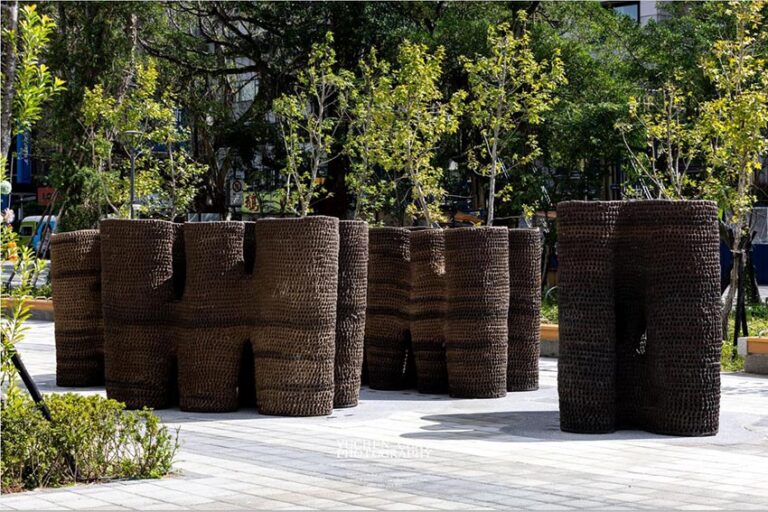
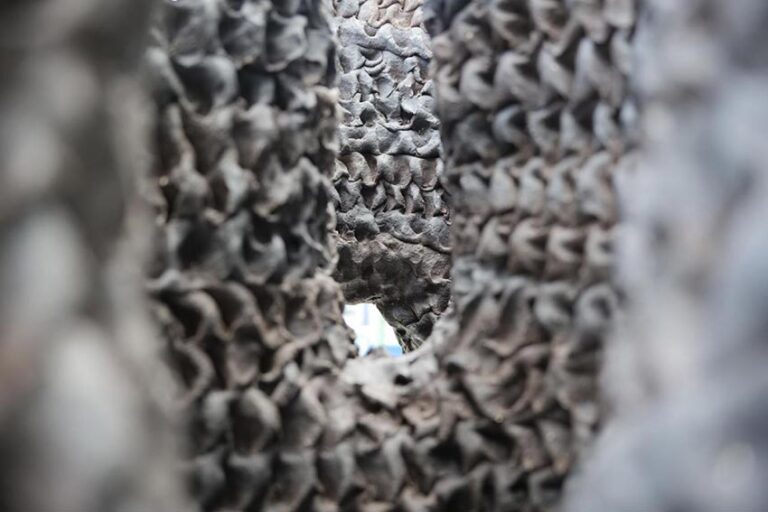
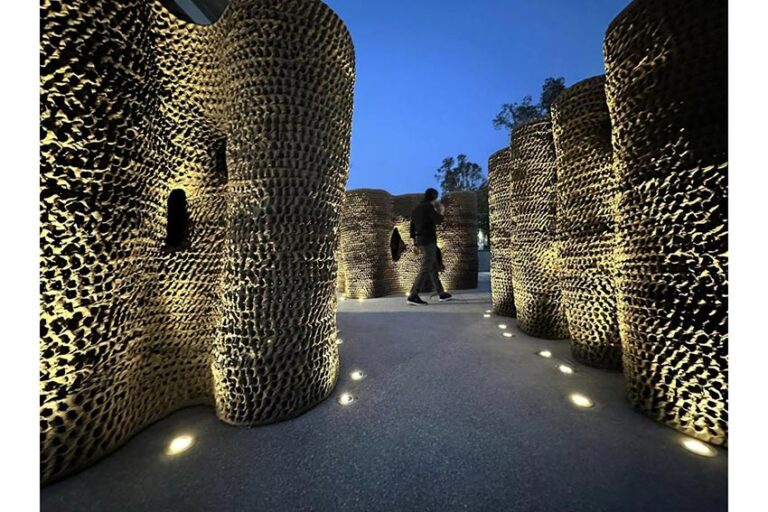
NEST OF LIGHT
- Sculpture|2023
TAW INSTALLATIONS
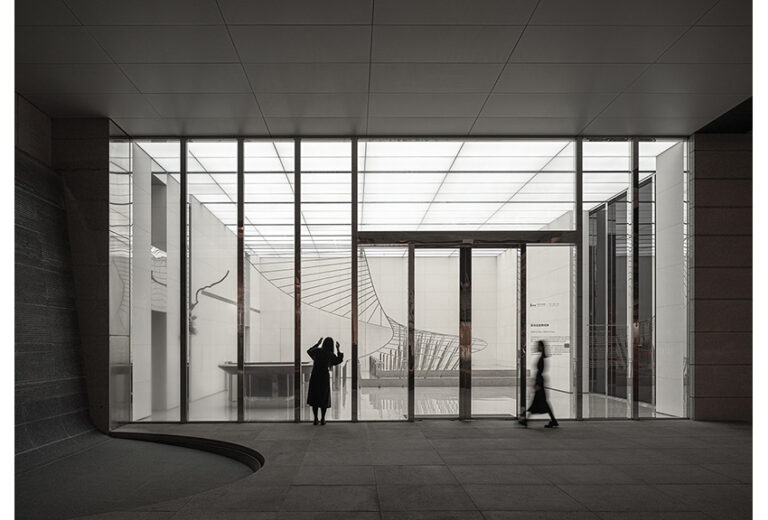
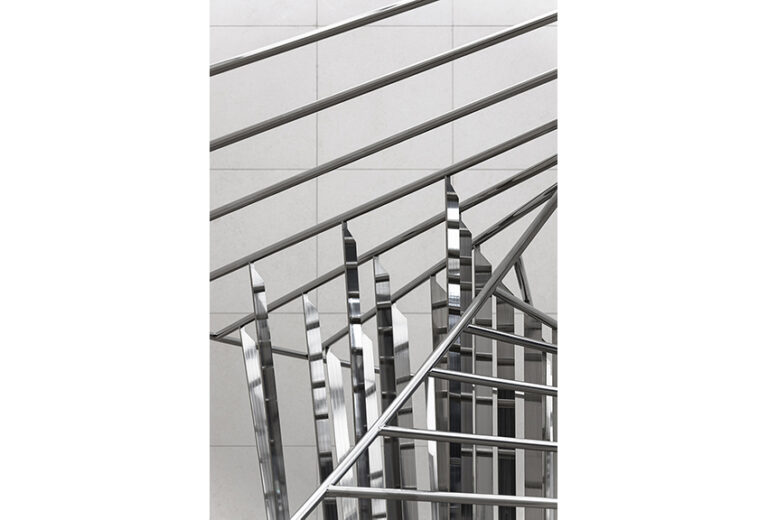
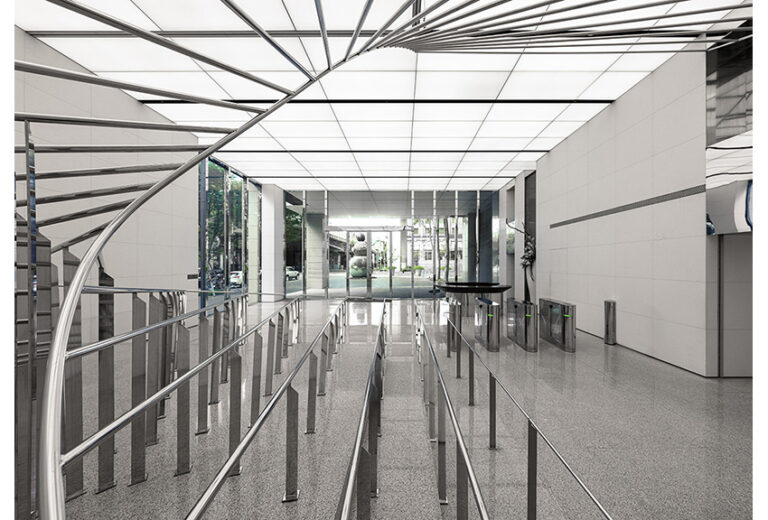
《When Freedom Blooms into Dance》
- Others|2024
TAW INSTALLATIONS
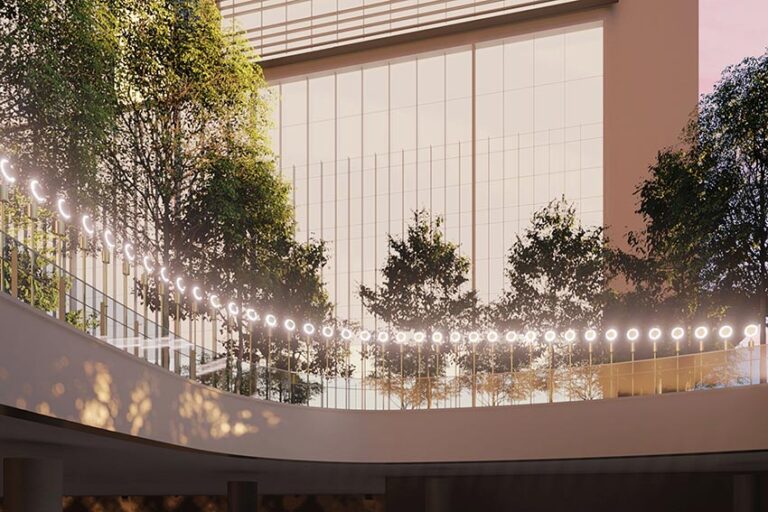
The Poetry of a Swing
- Kinetic Installation|2024
TAW INSTALLATIONS
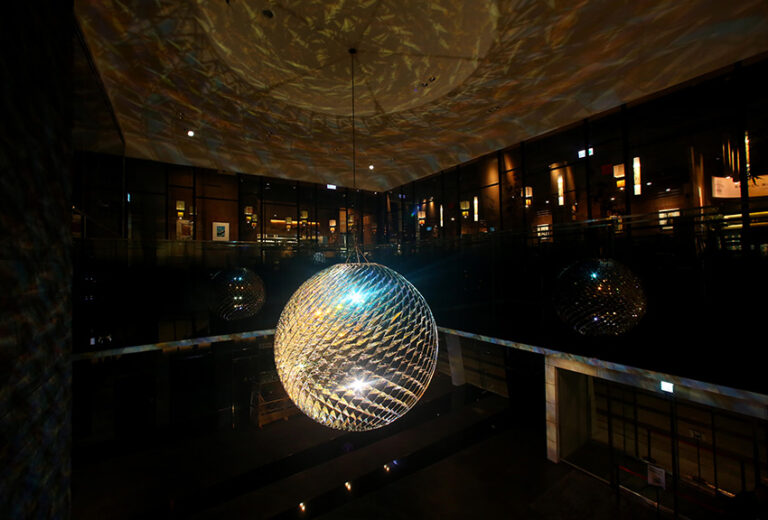
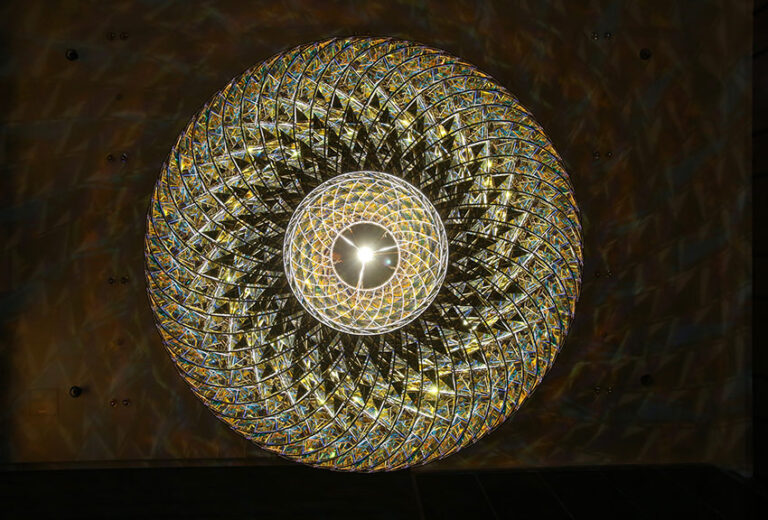
Enlightenment Sphere
- Others|2016
TAW INSTALLATIONS
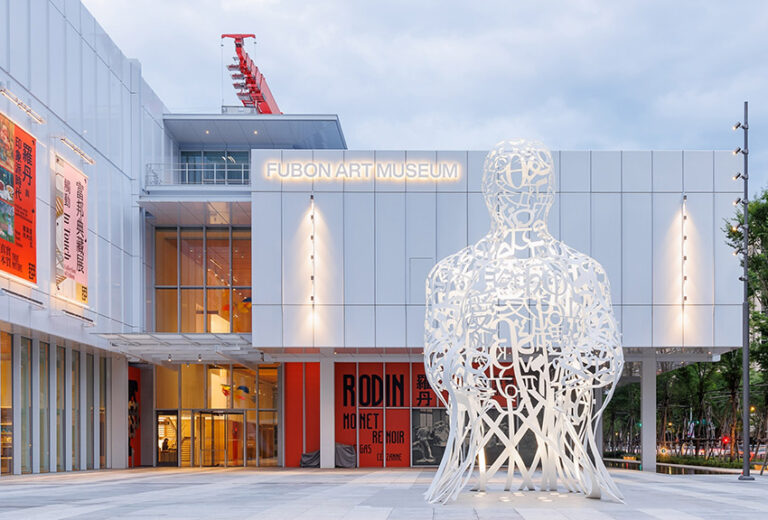
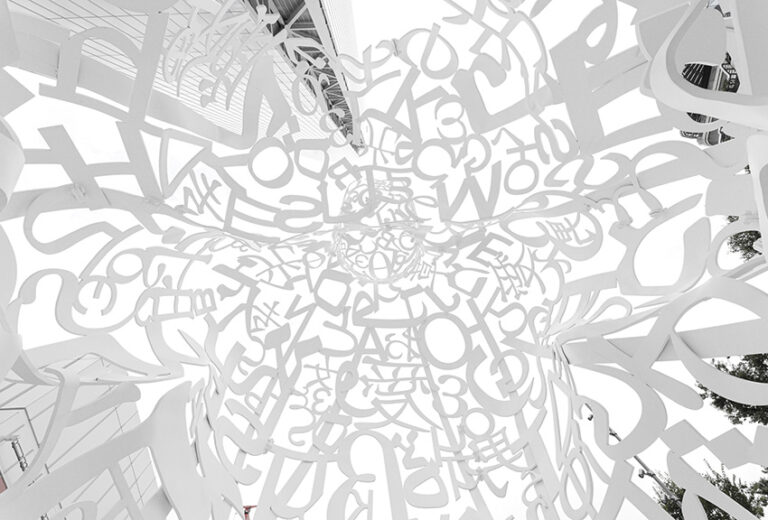
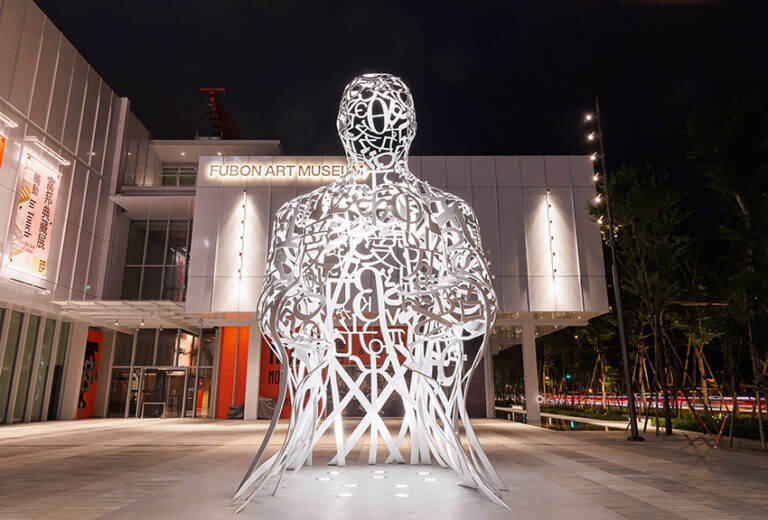
〈The House of Light and Love〉
- Others|2024
TAW INSTALLATIONS
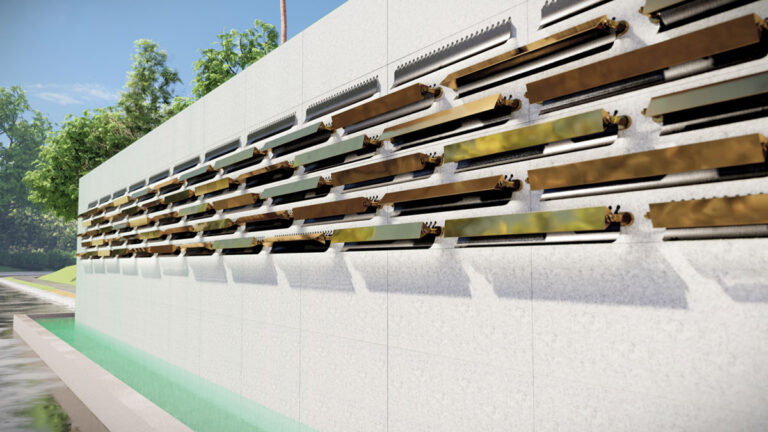
Endless Flowing Stream
- Water Feature|2024
TAW INSTALLATIONS
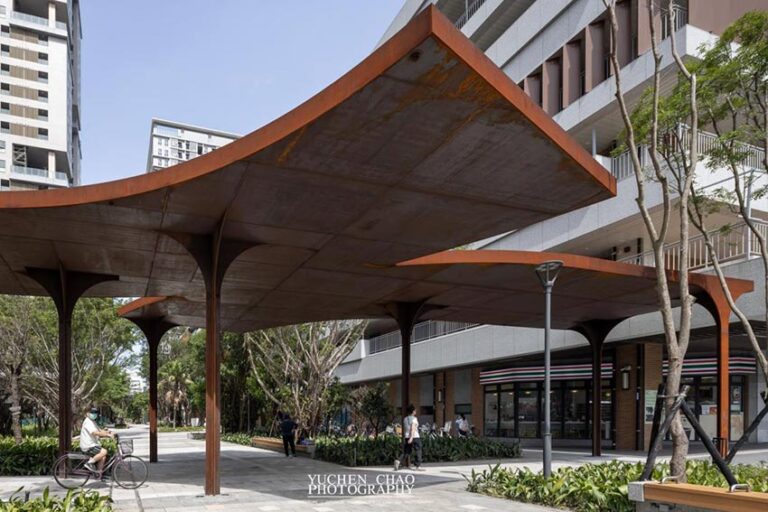
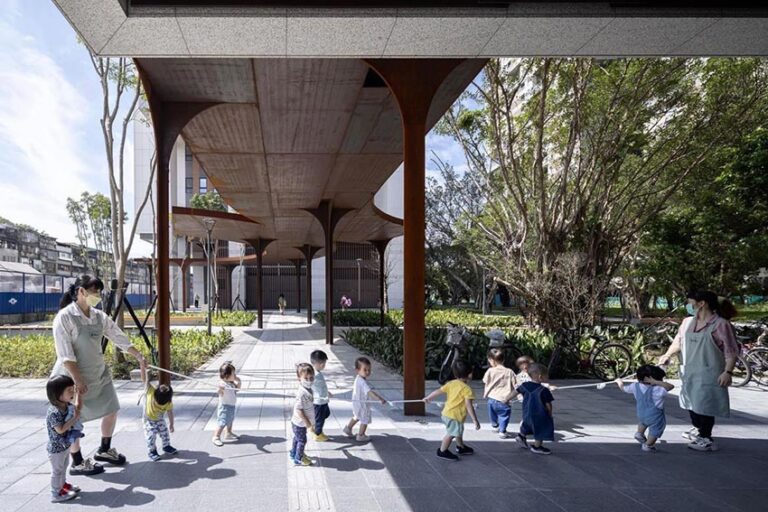
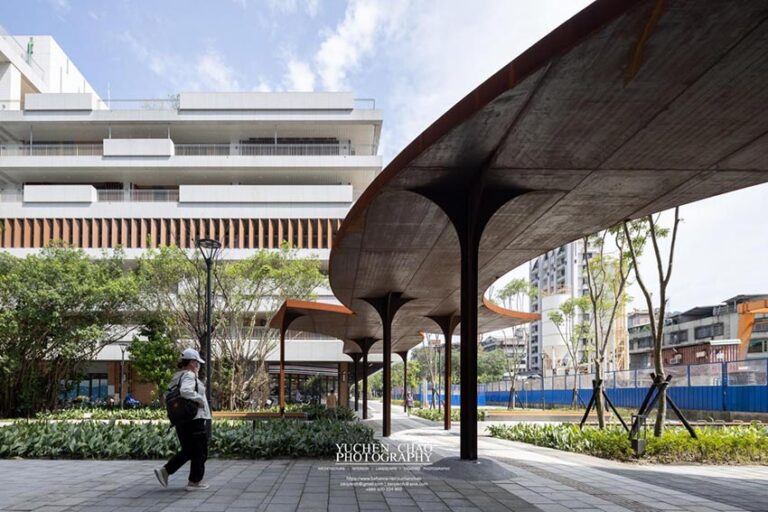
Flowing Pavilion
- Sculpture|2023
TAW INSTALLATIONS
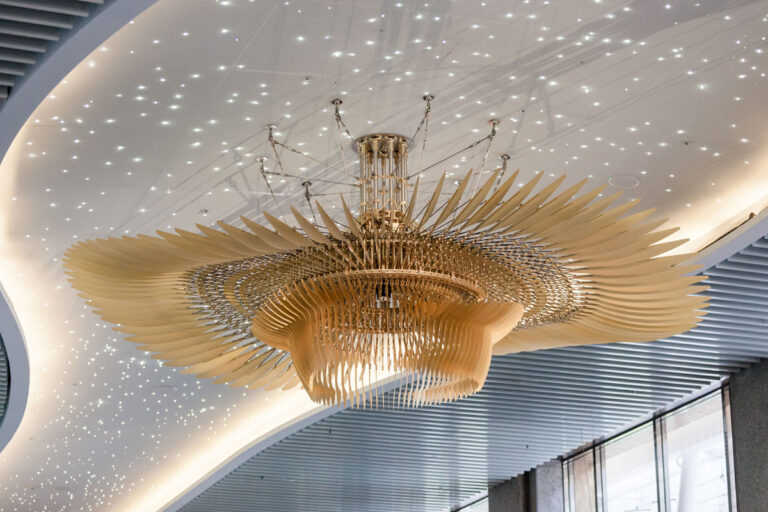
Poetry of the Sun
- Kinetic Installation|2016
TAW INSTALLATIONS
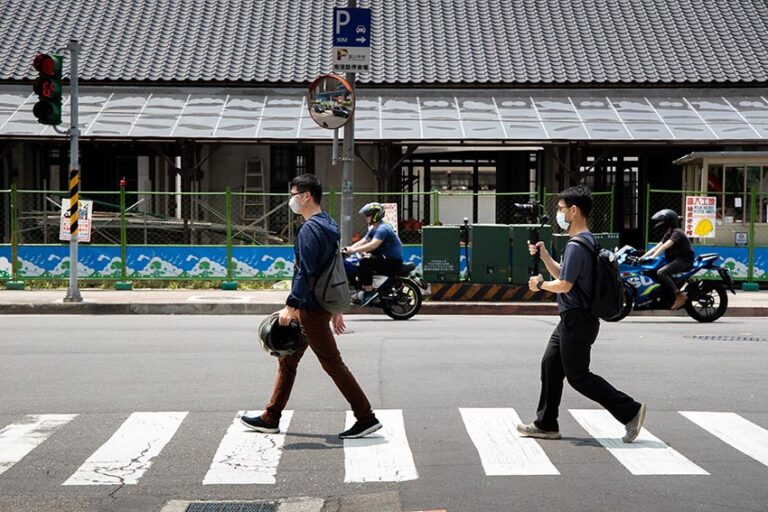
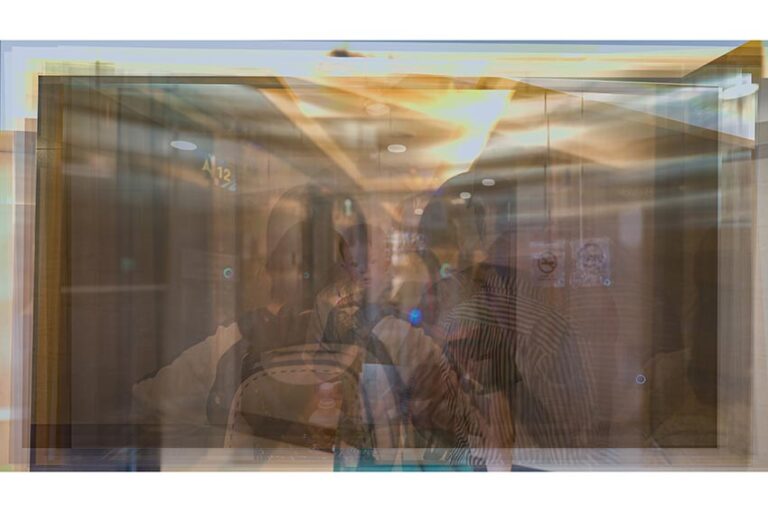
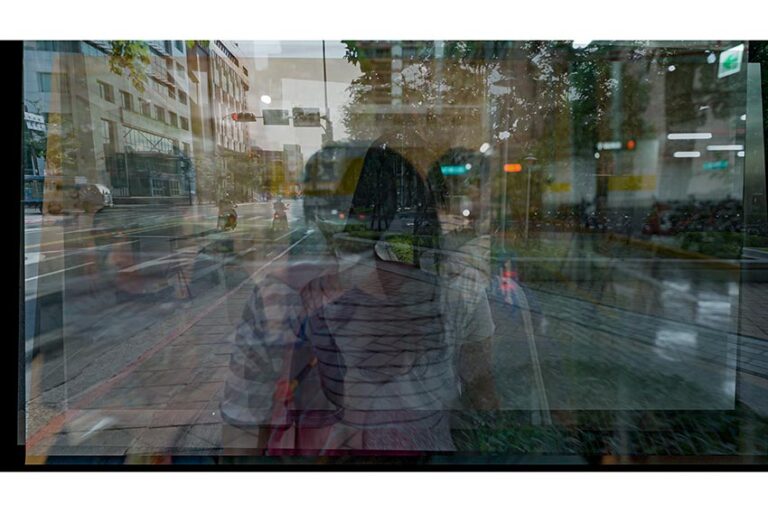
On The Road
- Digital Image|2020
TAW INSTALLATIONS
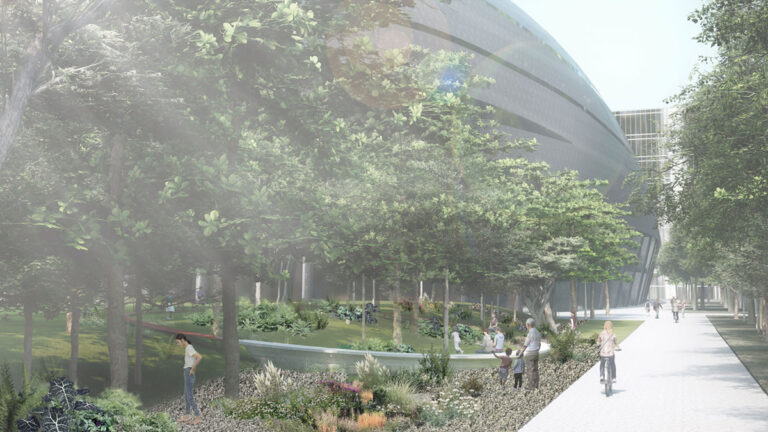
Whirling Garden
- Others|2024
TAW INSTALLATIONS
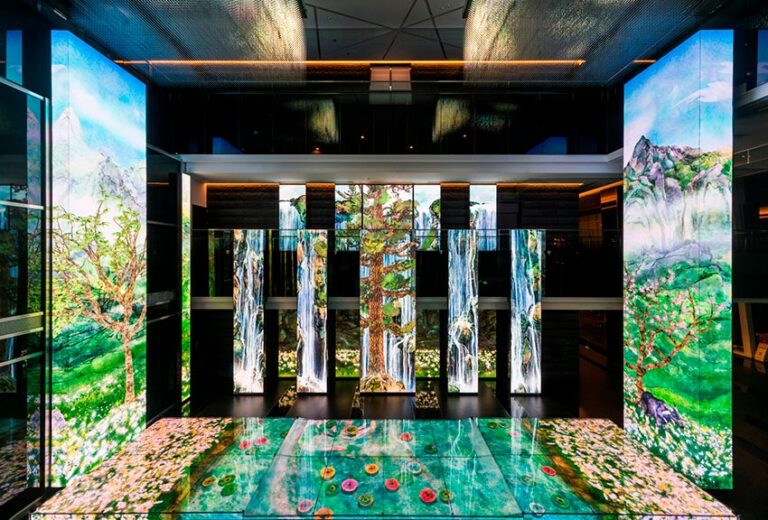
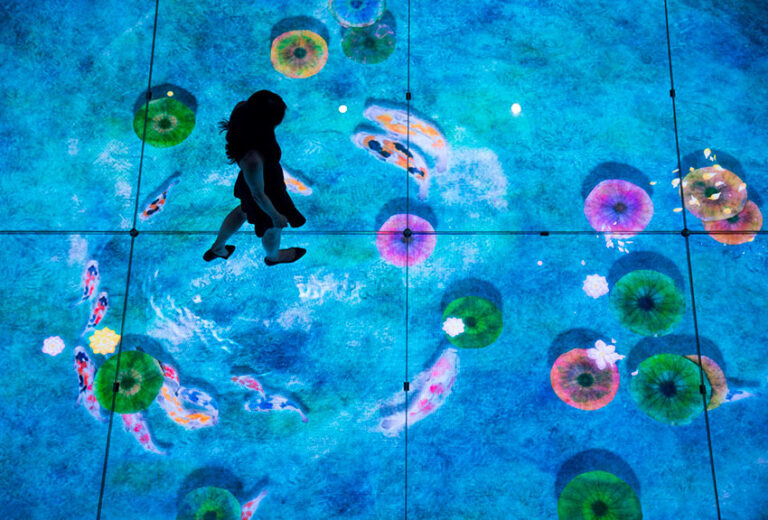
Circulum Formosa
- Others|2015
TAW INSTALLATIONS
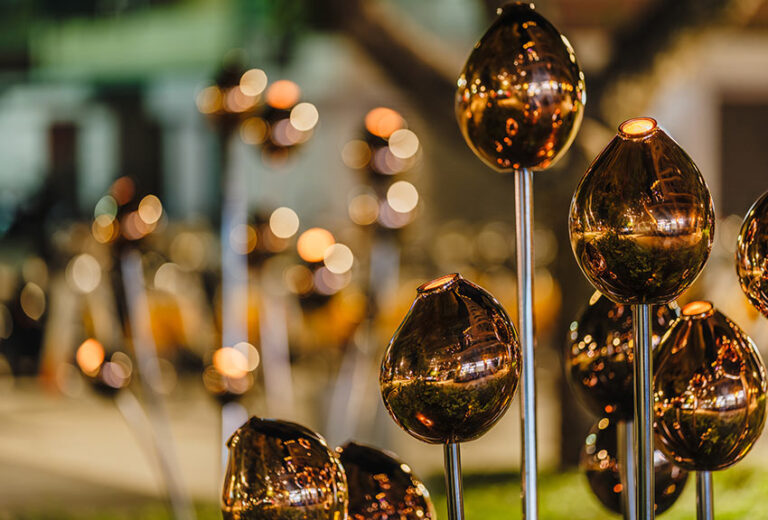
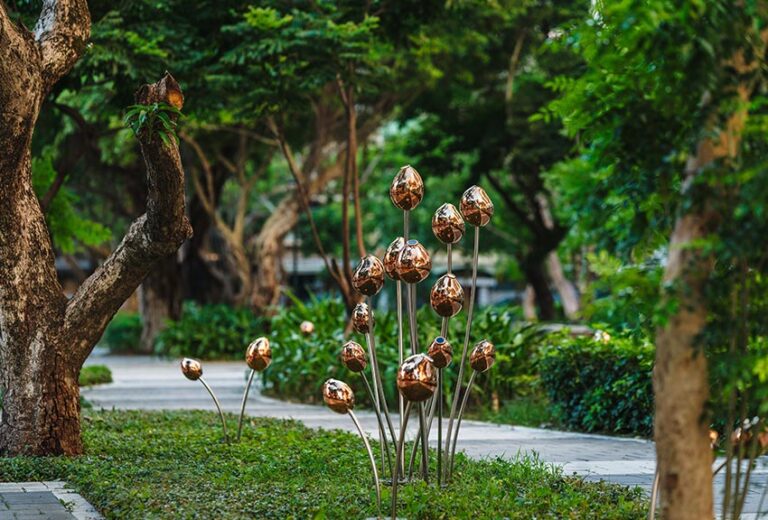
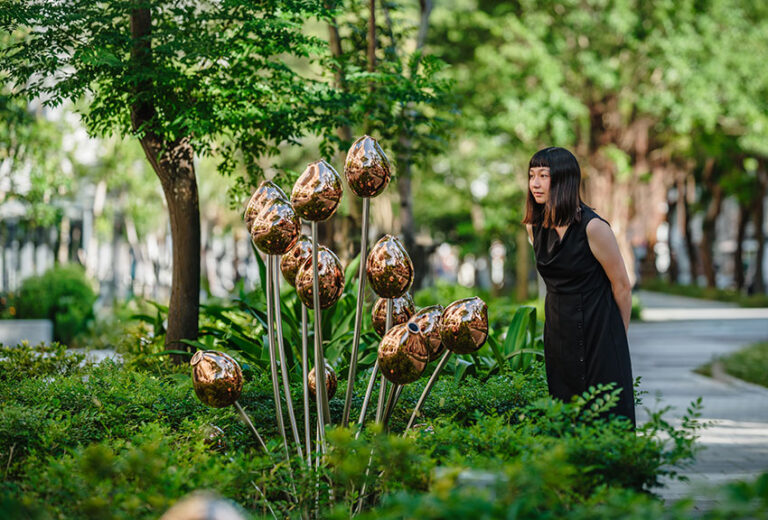
BoBo
- Others|2025
TAW INSTALLATIONS
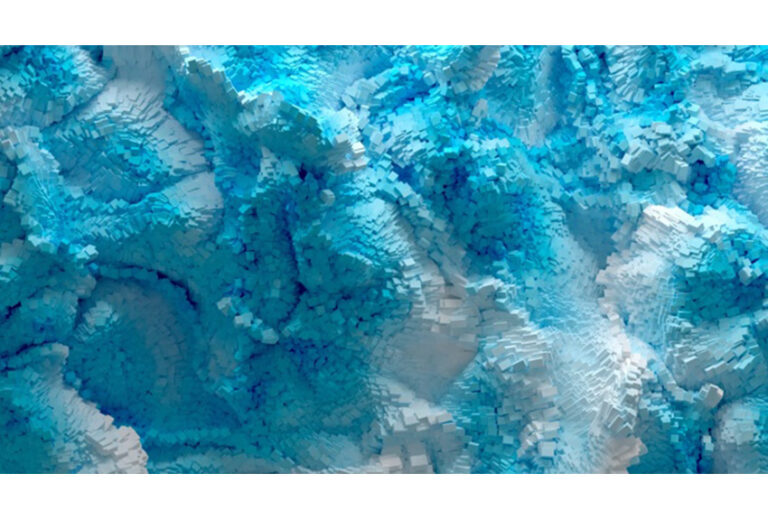
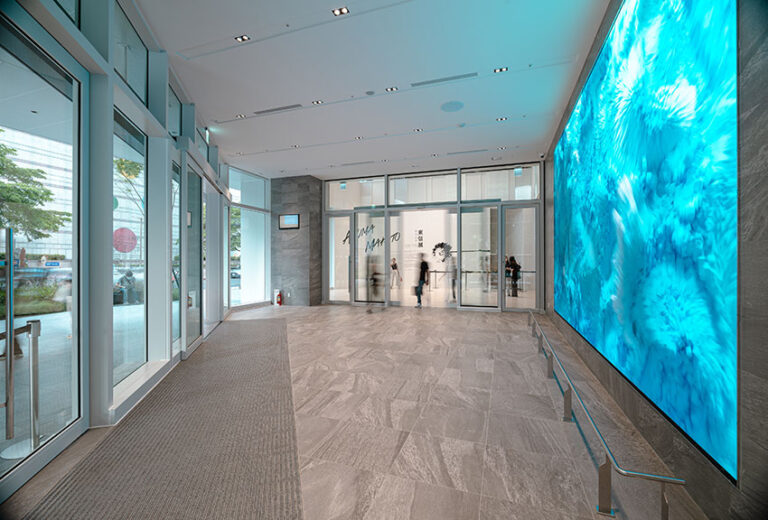
Bosphorus_B
- Digital Image|2018
TAW INSTALLATIONS
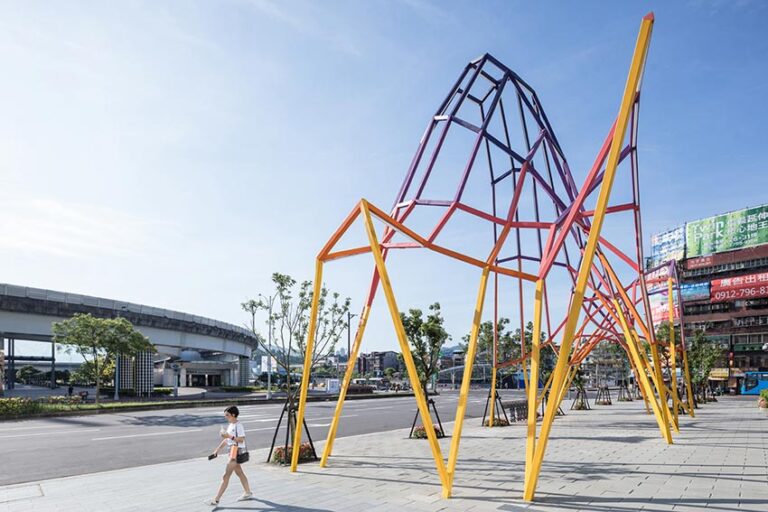
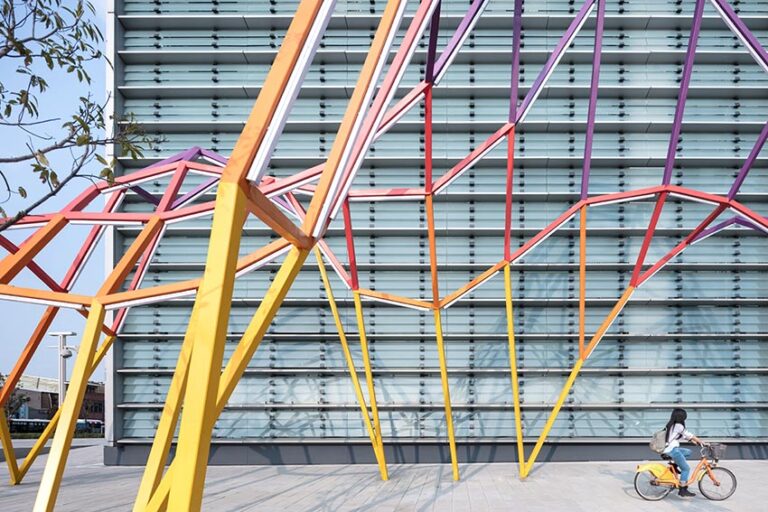
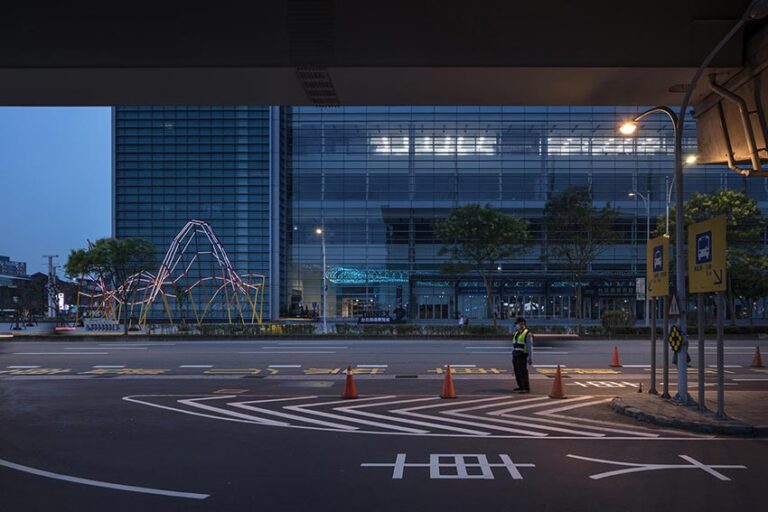
Nappe
- Sculpture|2019
TAW INSTALLATIONS