-
Event Date2026.09.18 - 2026.12.31
- Directions

- Directions
- Bookmark
- Share
- prev
- next
-
The Museum After
-
Celebrating its 25th anniversary this year, the Museum of Contemporary Art, Taipei (MoCA TAIPEI) is launching a three-year restoration project. As architectural blueprints are unfolded again, the possibilities of its space are re-discussed; staff members also revisit their work to coordinate arrangements for this transitional phase. Previous operational logic and performance indicators lose their reference points, prompting a redefinition of the museum’s future direction during its closure. This detailed review of space, work, and systems reveals operational conditions usually hidden behind exhibitions, allowing MoCA TAIPEI to reflect on itself: What truly constitutes a museum’s operation and existence?
Themed The Museum After, the “after” in the title signals a temporal transition while also responding to the spatial connotation of “behind,” focusing attention on the labor, spaces, and operational systems that have traditionally operated behind the gallery walls. Beginning with the labor experiences of art practitioners, the exhibition explores the labor investment and identity perceptions of museum workers as they manage diverse responsibilities and multiple tasks, as well as how artists sustain their ideals and lives as they shift among various professional roles. Subsequently, by re-viewing, re-perceiving, and re-utilizing spatial boundaries and facility objects—along with a critical look at display mechanisms and assessment systems—the exhibition reveals how these conditions collectively shape the presentation of art and ways of seeing it. These often unnoticed structures and guidance subtly constitute the public’s museum experience. In addition to looking back at this operational framework that structures the relationships among art, institutions, and audiences, the exhibition broadens its perspective to include the city and public spaces, thereby reimagining the roles and functions a museum could embody.
As the architectural blueprints are unfolded again for the restoration project, the exhibition explores the supporting structures behind the institution along this cross-section of the museum. This same cross-section also traces the route visitors follow within MoCA TAIPEI at this moment—navigating narrow corridors, entering the exhibition along the architectural cross-section, and gradually approaching these unseen operations. As these operations and their interconnected relationships come into view, the focus shifts from mere understanding to questioning whether they could be different. The true “museum after” may not start on the day when restoration is complete and doors reopen; it begins when we are willing to see the underlying supports and dynamics, and continually shape the museum through repeated responses, adjustments, and attempts.
-
The Museum After

- 2026.09.19 - 2026.12.31
- Tue. to Sun. 10:00 - 18:00
- Ticketed Entry
- No. 39, Chang'an West Road, Datong District, Taipei City
You May Also Be Interested In
Chaozhou Street Art Festival
- Upcoming|2026.10.30
TAW CONNECTIONS | Others


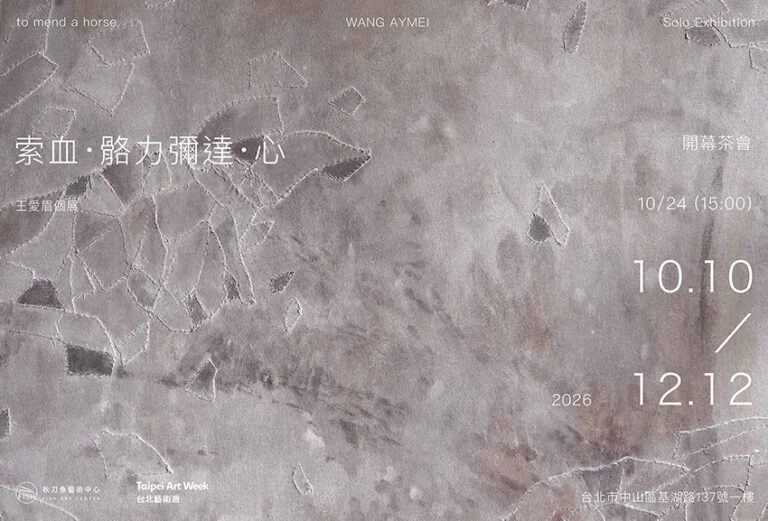
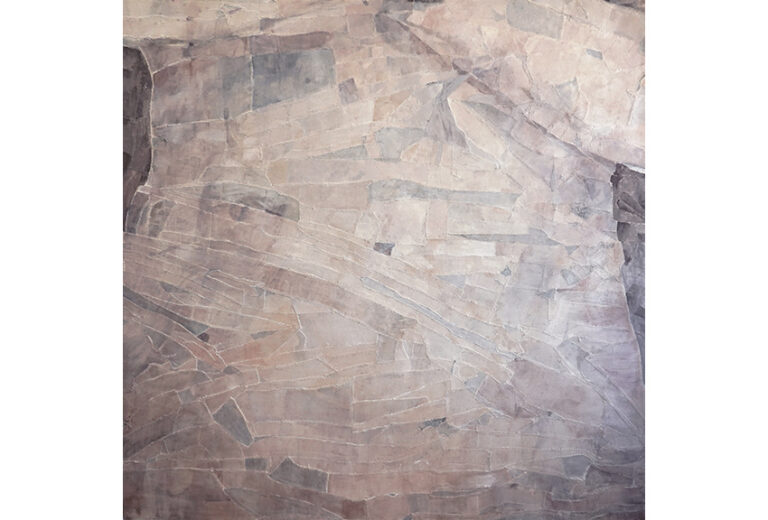
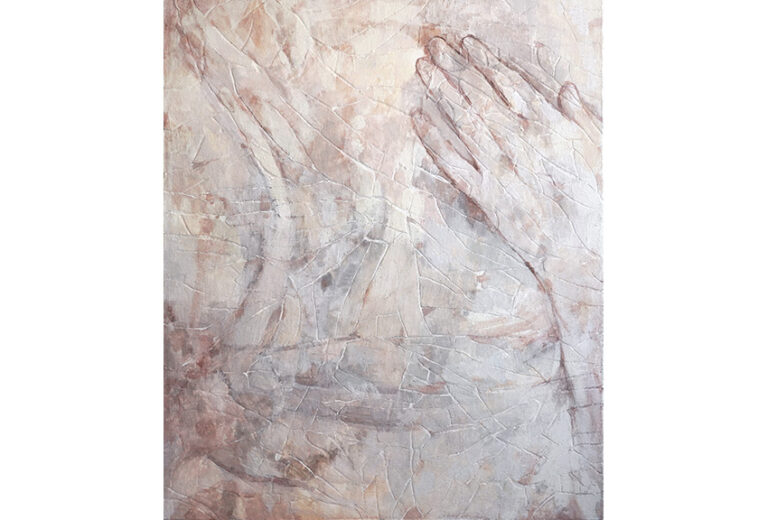
to mend a horse
- Upcoming|2026.10.24 - 2026.11.07
TAW GALLERIES

