-
Event Date2026.10.23 - 2026.11.07
- Directions

- Directions
- Bookmark
- Share
- prev
- next
-
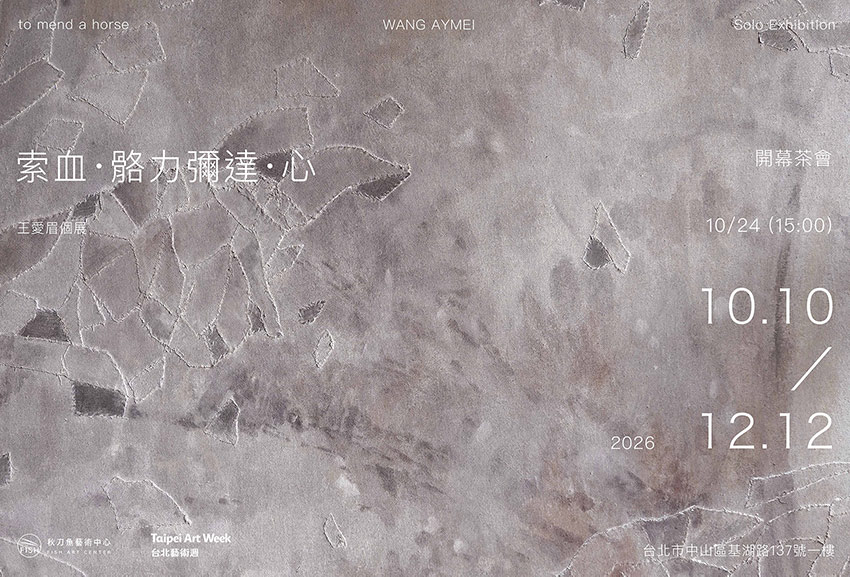
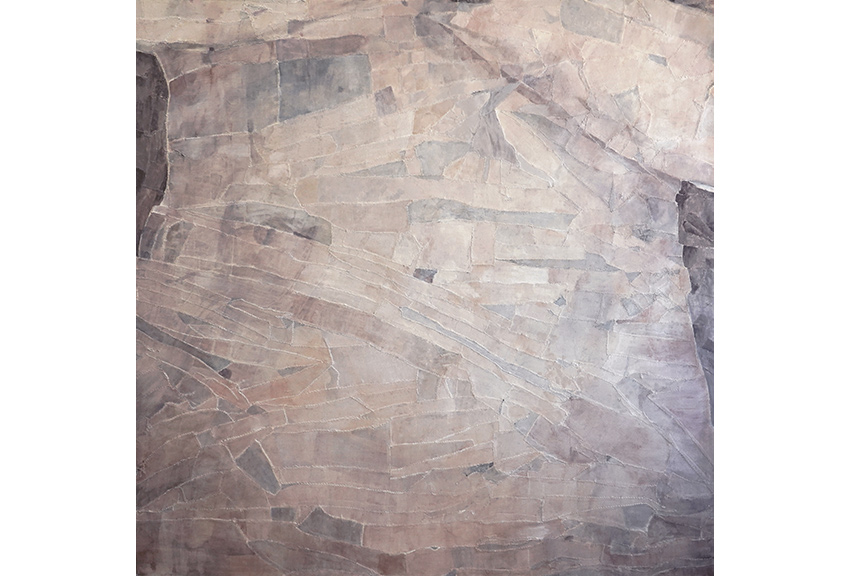
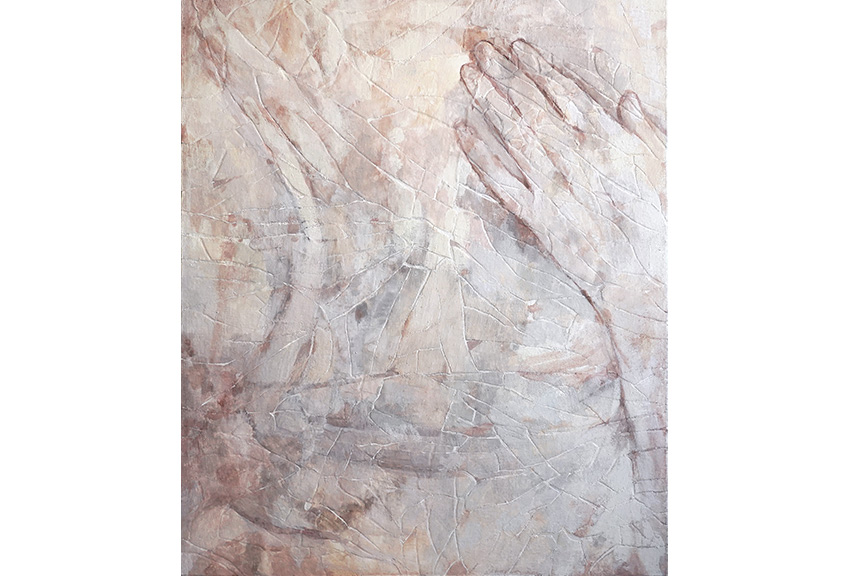
to mend a horse
-
“Ben zi bena, bluot zi bluoda,
lid zi geliden, sose gelimida sin.”
“Blood to blood, bone to bone,
joint to joint, so may they be bound together.”This fragment is the last verse of the second Merseburg charm. The Merseburg charms are two 9th century pagan incantations written in Old High German. Together, they present in turn, the paradoxical nature of a rope, at times an instrument of oppression, at times one for healing.
The first Merseburg charm is called a “loosening charm”. A blessing of release, it invokes the story of war prisoners breaking free from their shackles. The second charm is a “binding charm”. A healing spell, here the rope is meant to bind together parts that were separated and mend them. In the original tale, the sister of the rider sings it to heal a foal which has injured its leg. It is well known that, for a horse, a broken leg usually translates to a death sentence. Furthermore, the English idiom, “to break a horse”, often invokes ideas of breaking the animal’s spirit to subjugate and dominate it.
I thought the English name of the exhibition, “to mend a horse”, could act as a counter-idiom in the spirit of the Merseburg charms; and as most of us with access to the news, are powerless yet witnesses to the increasing list of conflicts, wars, and disasters breaking out or worsening in recent years, let the spoken charm be solidarity—if only symbolically, let them be the wish to heal what has been broken, and release what has been besieged.
-
to mend a horse

- 2026.10.24 - 2026.11.07
- Tue. to Sat. 13:00 - 19:00
- Free Entry
- No. 137, Jihu Road, Zhongshan District, Taipei City
You May Also Be Interested In

How to be a Stone : First a mumble, then a rumble Stella Solo Exhibition 2026
- Upcoming|2026.10.29 - 2026.11.08
TAW CONNECTIONS | Academic Institutions

