-
Event Date2026.10.16 - 2026.12.13
- Directions

- Directions
- Bookmark
- Share
- prev
- next
-
HO Kan Solo Exhibition
-
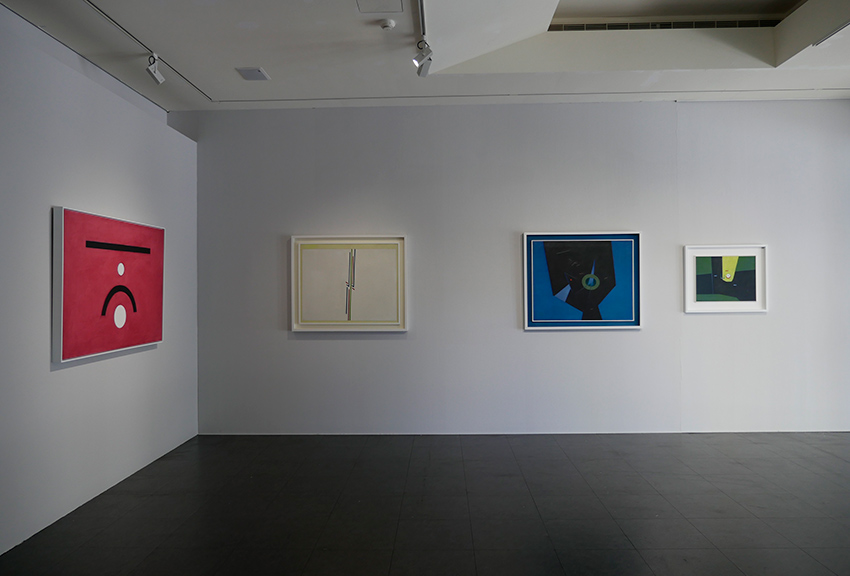
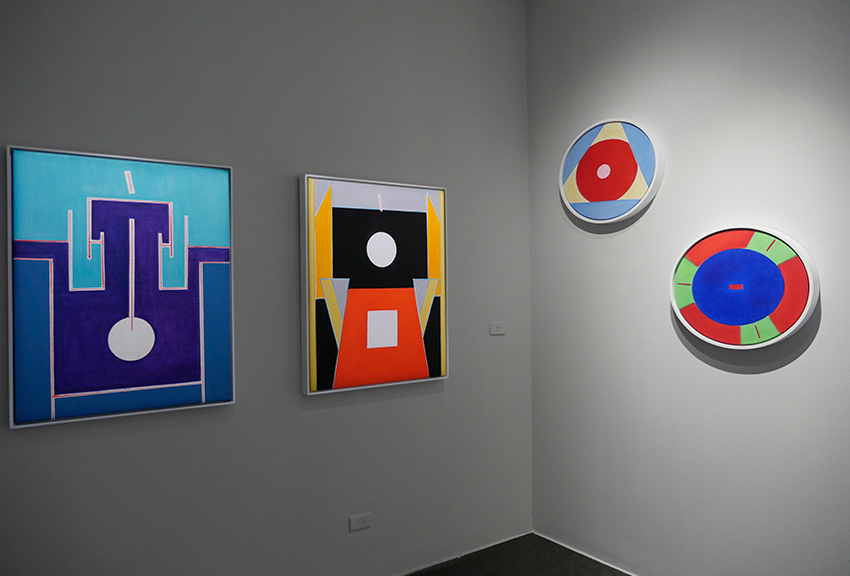
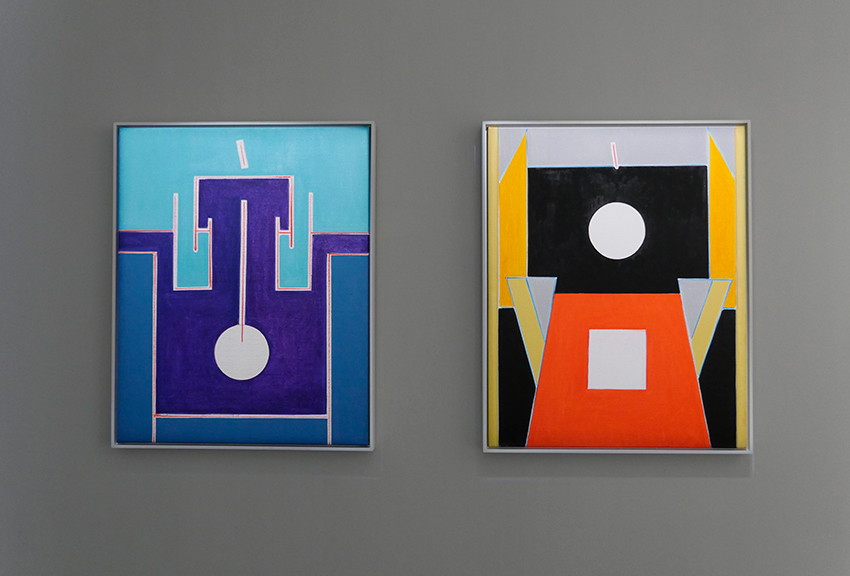
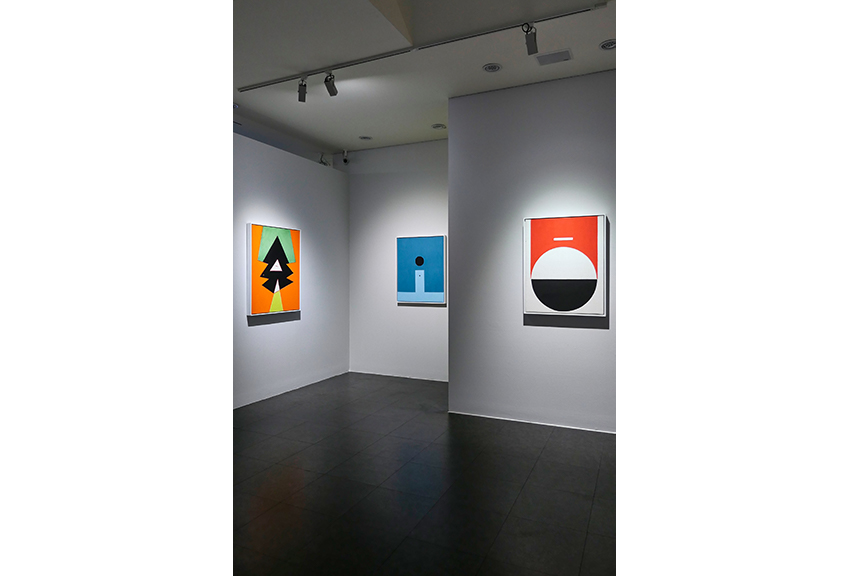
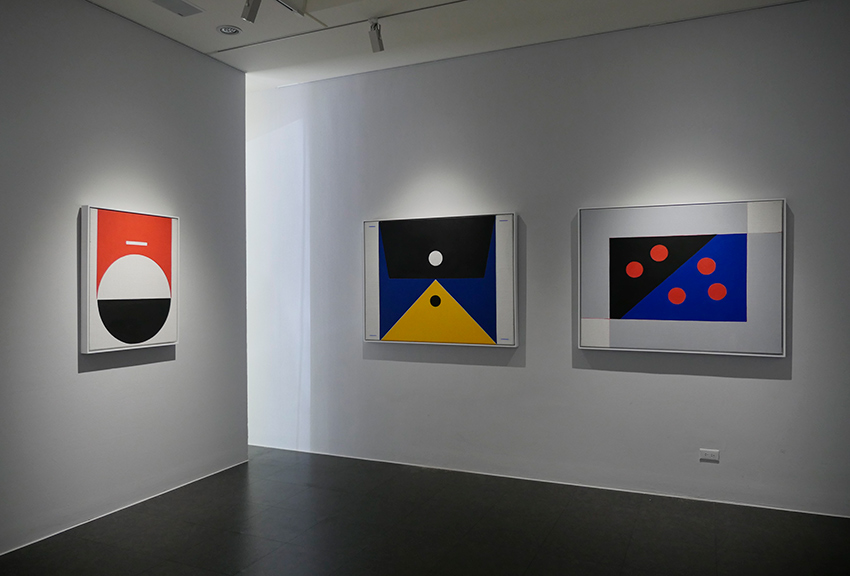
Innocent Eyes: Ho Kan and the Art of the Child is the first exhibition dedicated to the exploration of Ho Kan’s art through his love of children and their artistic expressions. Bringing together a selection of works inspired by children and childhood, this exhibition is organized chronologically and thematically with the works on view tracing the artist’s unwavering quest for a child-centered universe in the arts, education, and civil society. Innocent Eyes —which includes paintings, drawings, photography, published articles, epistolary correspondences, toys, handicrafts, and ephemera from the artist’s private collection—reveals a counterpoint to the prevailing theoretical narratives that have overlooked and obscured the foundational components of joy, curiosity, and imagination in the artist’s creative process.
From the time he was a young boy, Ho Kan has known exactly what he wanted: to draw freely. For passion is often described as the genesis of true genius, Ho Kan succeeded in pursuing a life of art as he saw the world from a child’s perspective. Despite being a first-hand witness to military violence, material shortages, and censorship from wartime China to postwar Taiwan, Ho Kan continued to believe in love over cynicism and youthful optimism in his dual role as both artist and art educator. In this historical context, realizing the childhood dream of drawing freely therefore mandated a determined spirit and fierce resolve under such dangerous circumstances. By the mid-1950s, Ho Kan’s engagement in non-representational art and advocacy for progressive art education for elementary school-age students served as a counterbalance to the complex realities of the external environment of the Cold War era. 2
More critically, Ho Kan’s art is testimony to the dynamic interplay of colors, shapes, lines, and aspects of nature observed with a child-like innocence. In Elements of Drawing, British writer, artist, environmentalist, and social thinker John Ruskin (1819-1900) asks the reader to employ the “innocence of the eye” to view the world by relying on a purified perception stripped of all preconceptions associated with what is visually perceived. Inspired by children’s phenomenological renderings that captured light, shadow, and color fields, Ho Kan joins artists Paul Klee (1879-1940), Juan Miro (1893-1983), and Pablo Picasso (1881-1973) in viewing children’s art as undistracted by judgment and interpretation, in addition to collecting children’s drawings and paintings. This exhibition uncovers a dimension of Ho Kan’s works that had remained invisible: the unabashed admiration and celebration for the unadulterated vision of children.
-
HO Kan Solo Exhibition

- 2026.10.17 - 2026.12.13
- Tue. to Sun. 10:30 - 19:00
- Free Entry
- No. 48, Lane 128, Jingye 1st Road, Zhongshan District, Taipei City