-
Event Date2026.10.22 - 2026.11.29
- Directions

- Directions
- Bookmark
- Share
- prev
- next
-
Tacet|Kuo Ping-En
-
Tacet|Kuo Ping-En
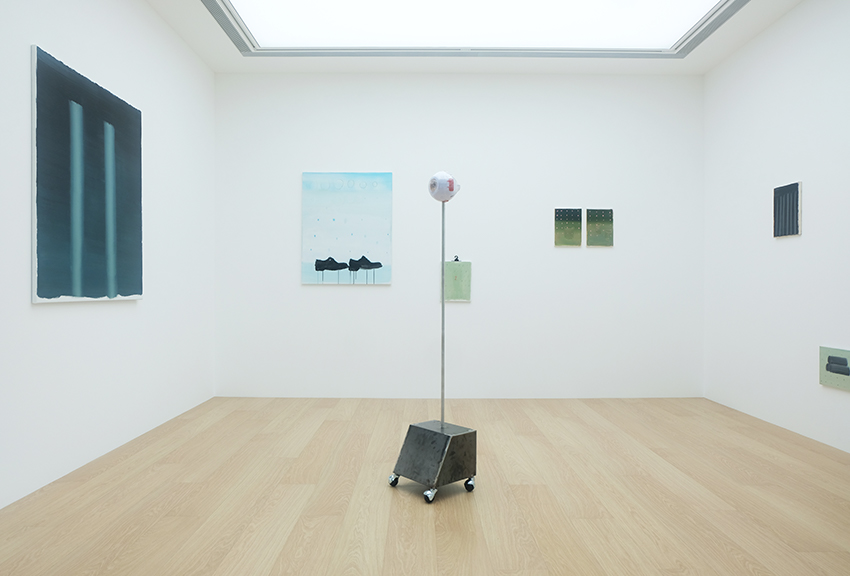
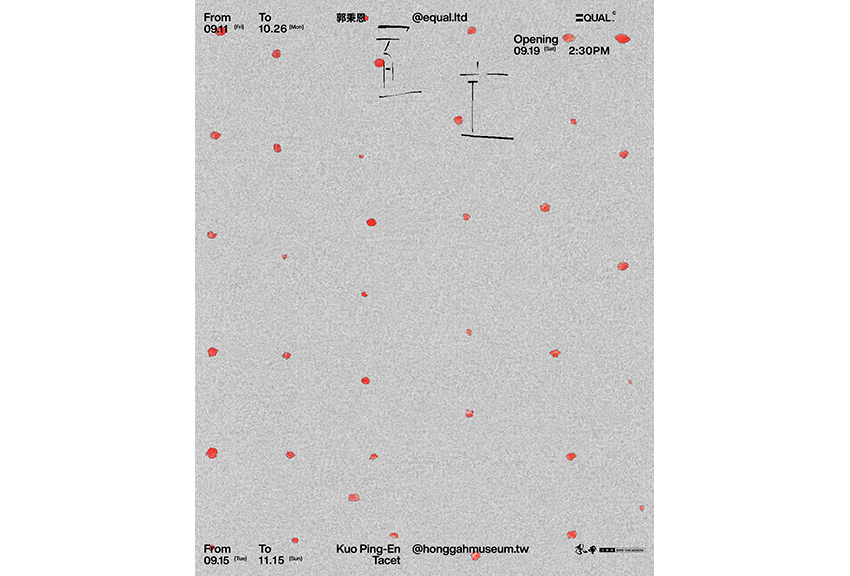
Following last year’s inaugural collaboration between a commercial gallery and a museum, a partnership still relatively uncommon in Taiwan, two contemporary art institutions based in Taipei’s Beitou District, EQUAL™︎ © and Hong-Gah Museum, join forces once again to present Tacet, a solo exhibition by emerging Taiwanese contemporary artist Kuo Ping-en, opening on September 11, 2026.Presented across two exhibition spaces with distinct spatial characteristics, the exhibition invites visitors to explore the cultural pathways connecting Beitou’s art institutions. Moving beyond the familiar experience of viewing paintings, audiences are encouraged to encounter alternative artistic perspectives shaped by the relationships between objects, actions, and space.
In musical notation, Tacet is a term indicating a temporary absence of sound. It does not signify an ending or disappearance, but rather a deliberate interval in which sound is withheld. When sound temporarily ceases, our attention is redirected toward the details of the surrounding environment that had previously been obscured by it. Drawing upon this notion of a state resembling a vacuum, artist Kuo Ping-En brings the concept of Tacet into the exhibition, establishing it as the central proposition of the project.
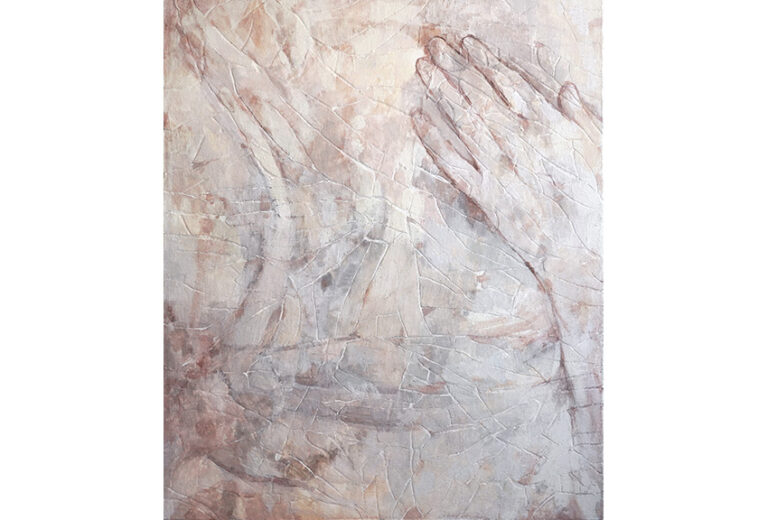
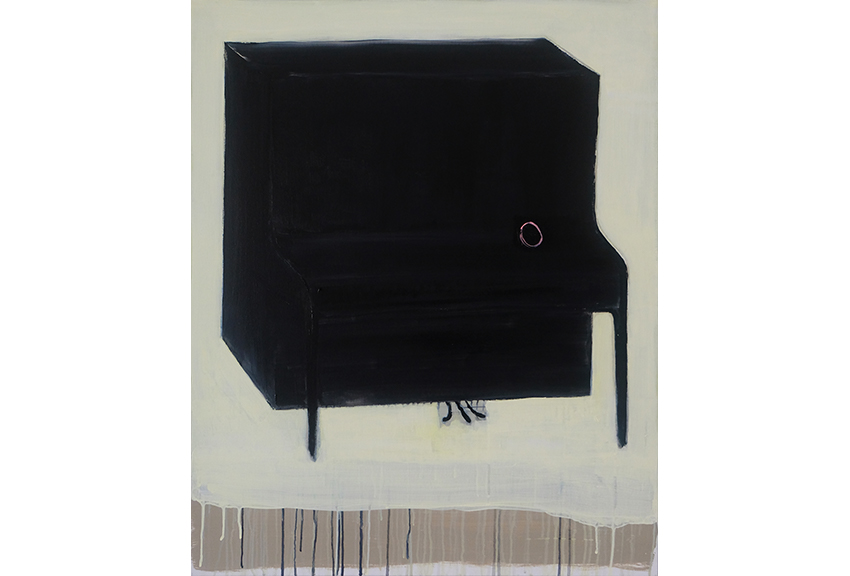
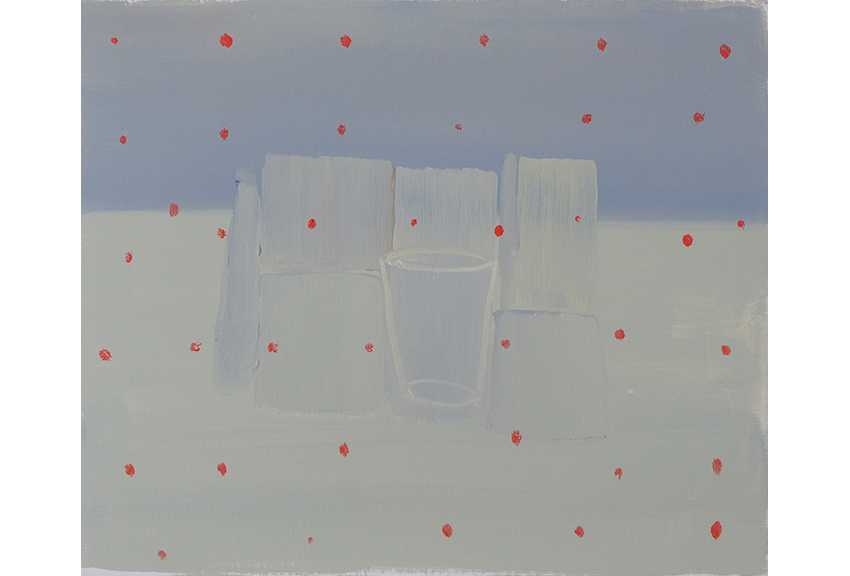
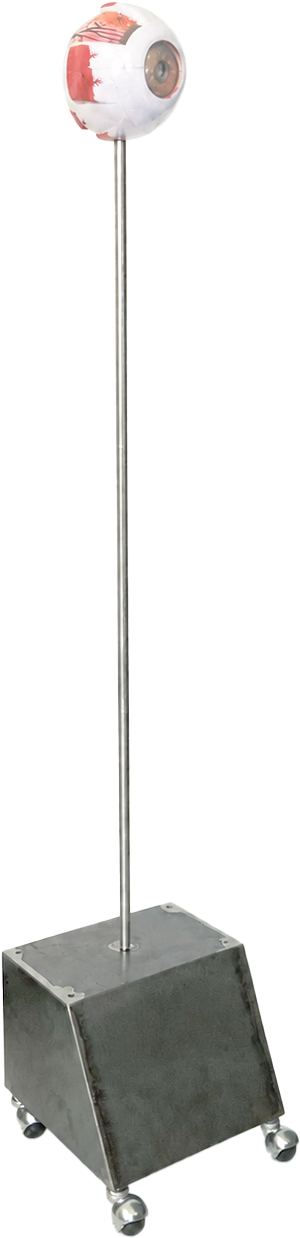
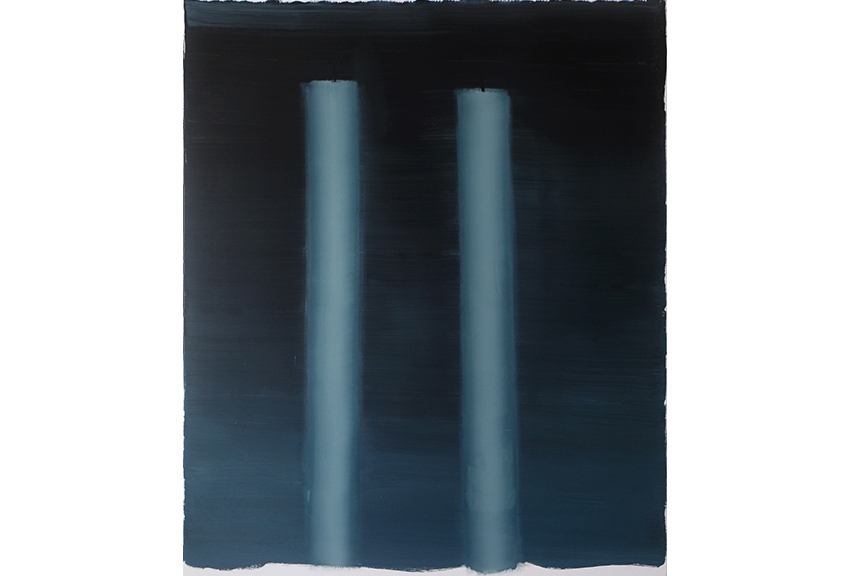
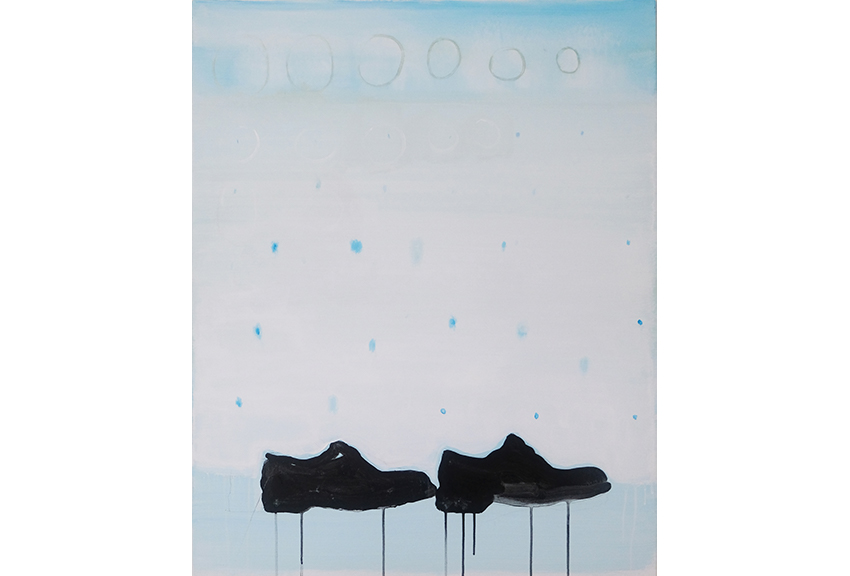
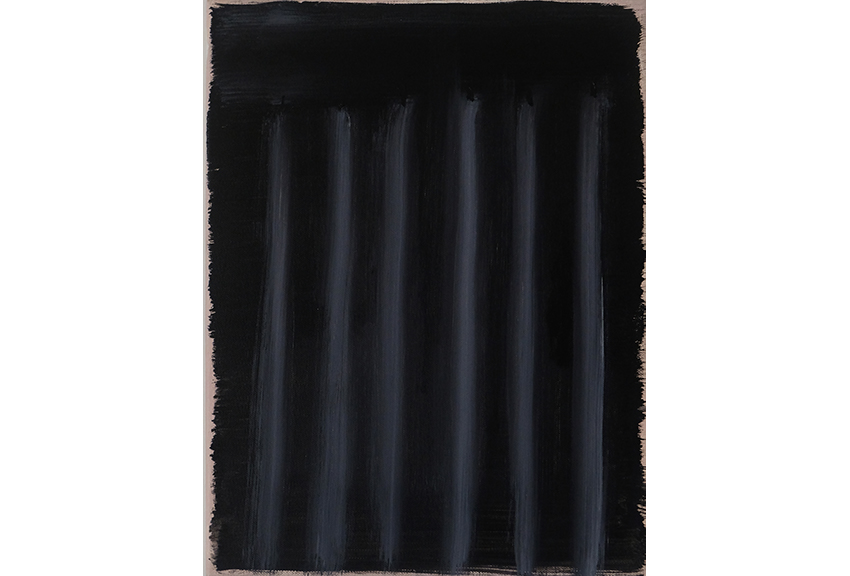
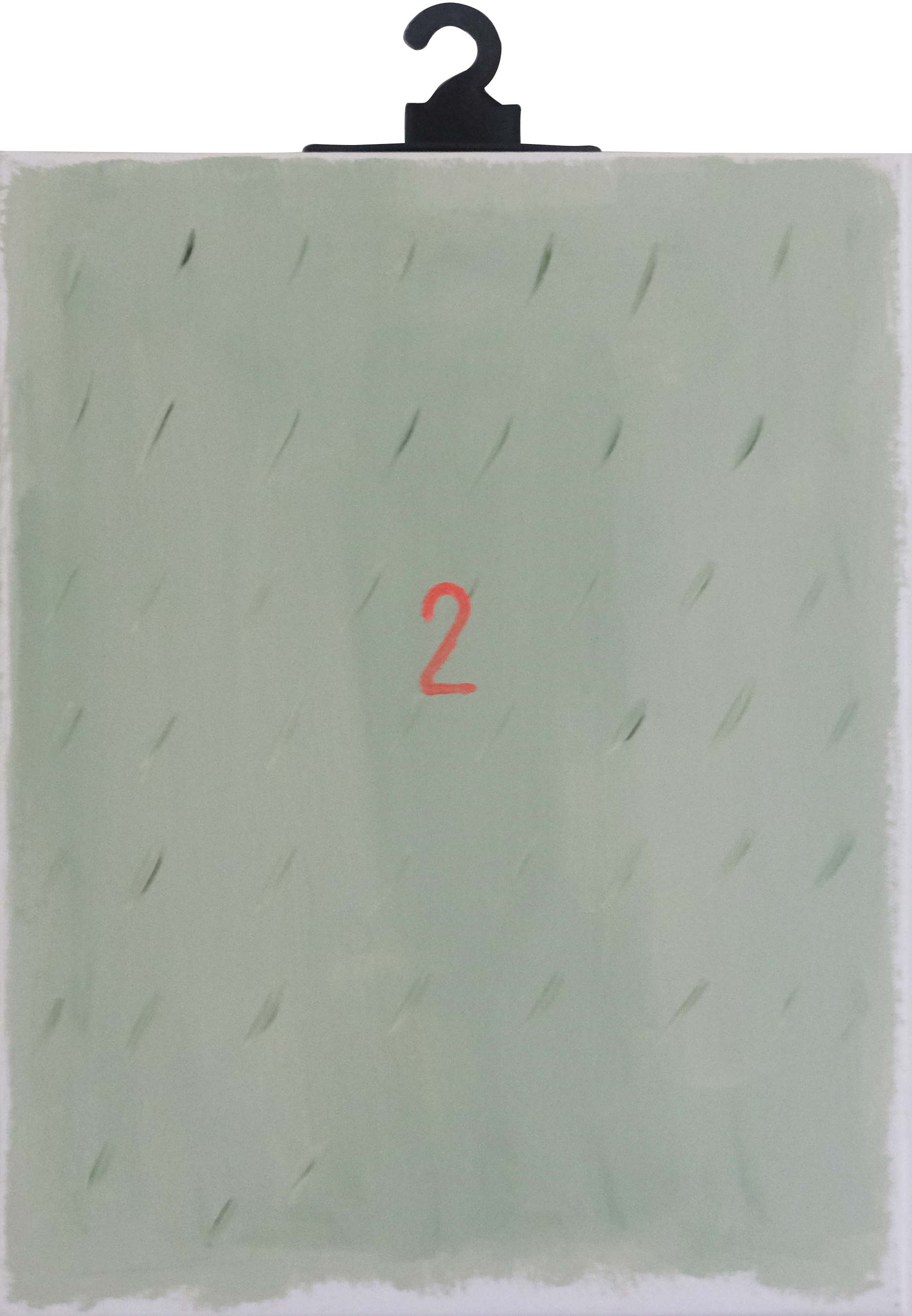
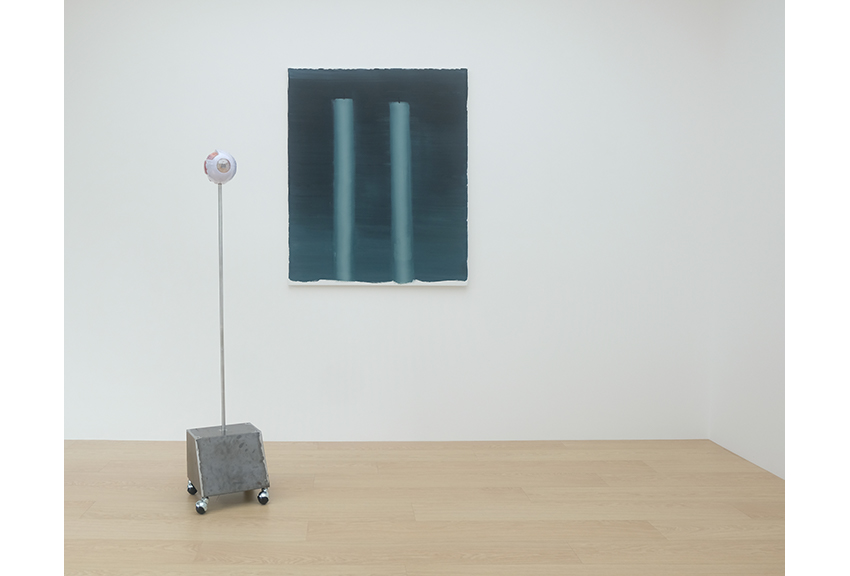
Working across three distinct media: painting, sculpture, and installation, Kuo Ping-En explores different ways of viewing contemporary art through Tacet. Rather than placing particular emphasis on the conventional understanding of painting as a two-dimensional medium, the exhibition adopts a composite approach to materials and forms in order to pose a seemingly simple yet fundamental question: Can a work of art take on the appearance of a painting? Tacet is not concerned with emptying a work of some abstract or metaphysical notion of meaning. Instead, it considers how an object whose identity has already been defined might temporarily suspend its established position. In the context of viewing a painting within an exhibition, one may set aside questions of what the work depicts, what formal language it employs, or which images it references, and instead return to its most immediate conditions of existence: a board, a layer of paint, and an object simply situated within space. Such a mode of viewing briefly allows painting to resist the urgency of being understood solely as a painting. What Kuo Ping-En examines in Tacet is precisely these conditions, often regarded as external to the act of creation, and how our ways of looking at a work may shift as it moves between different states.
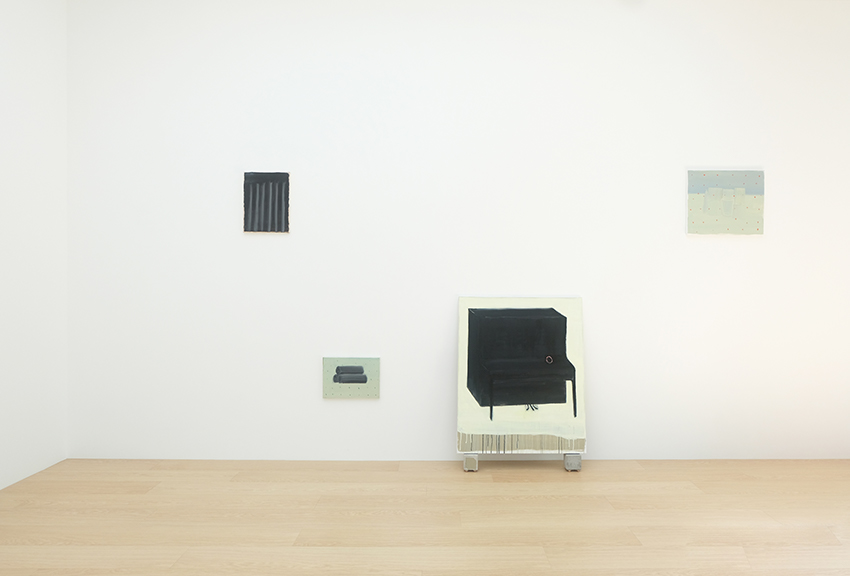
Accordingly, Tacet does not simply present a body of two- and three-dimensional works. Instead, it deliberately allows them to move between the conditions of display and storage. In the transparent and brightly lit space of EQUAL™︎ ©, Kuo Ping-En allows painting to return to its planar condition, suspended on the wall and presented for sustained observation. In the comparatively enclosed and dimly lit space of Hong-Gah Museum, painting sheds its posture as a displayed work. Objects such as cardboard boxes, originally used to package and transport paintings, are transformed into instruments capable of producing sound, assuming a new role as works in their own right. The works situated across the two spaces seem to deconstruct the different moments through which a painting passes: one offers the familiar experience of visual reading, while the other reveals that a painting may also simply be an object possessing weight, volume, and traces of use.
Through this distinct spatial arrangement, Kuo Ping-En articulates the relationship between EQUAL™︎ © and Hong-Gah Museum not as a simple opposition between a first and second exhibition space, but as two sites operating within fundamentally different systems of presentation and perception. If the paintings presented at EQUAL™︎ © represent a state in which the image is offered for viewing, then those encountered at Hong-Gah Museum approach painting through its transformation into an object and its relationship to action. The movement of the viewer between the two spaces is therefore more than a straightforward passage from one exhibition venue to another. It becomes a gradual shift from asking what kind of painting we are looking at toward a more fundamental question: what material conditions, beyond painting itself, might also constitute a work of art?
Let painting temporarily cease to be what we think painting is. Tacet invites us to temporarily set aside the habitual ways in which we read and interpret a work of art. Within this brief suspension of time, the works do not disappear or simply become silent. Instead, further elements of their construction begin to emerge: traces of paint, the weight of objects, the distance between spaces, and the sensations produced through the act of looking. Kuo Ping-En deliberately leaves his works within a moment of suspended, temporarily silent reading. When we pause the accelerated logic of visual perception, the subtle clues beyond the artwork itself, those details that have previously remained outside our attention, begin to surface. It is precisely within this moment of temporary silence, when our habitual ways of looking are placed on hold, that the creative proposition of Tacet truly begins.
-
Tacet|Kuo Ping-En

- 2026.10.23 - 2026.11.29
- Fri. to Mon. 14:00 - 19:00
- Free Entry
- No. 18, Lane 61, Lane 82, Section 1, Sanhe Street, Beitou District, Taipei City