-
Event Date2026.10.29 - 2026.11.30
- Directions

- Directions
- Bookmark
- Share
- prev
- next
-
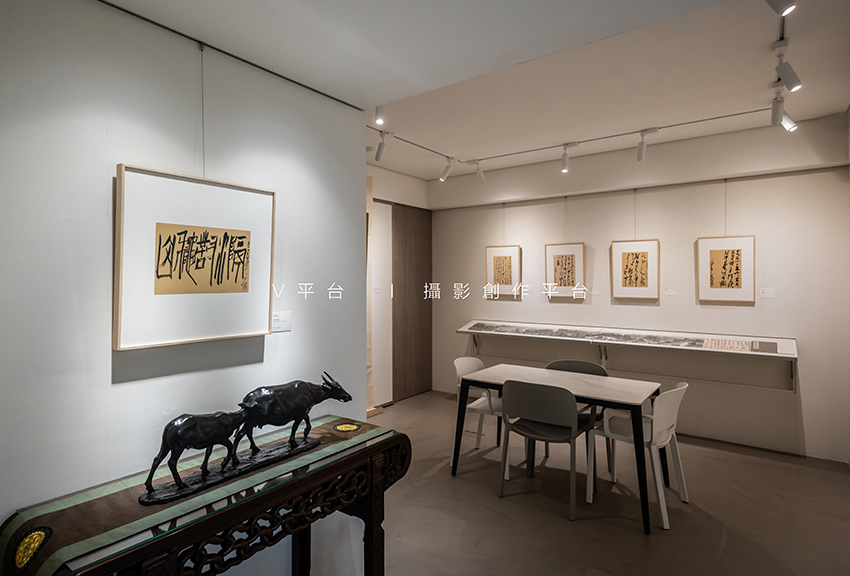
Who Finds Quiet Joy? — Calligraphy with Bamboo, Brush, and Iron
-
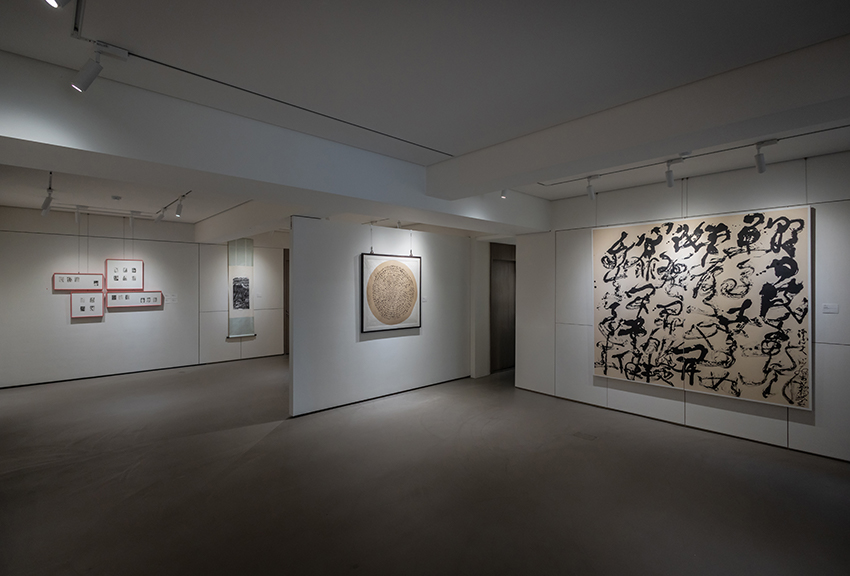
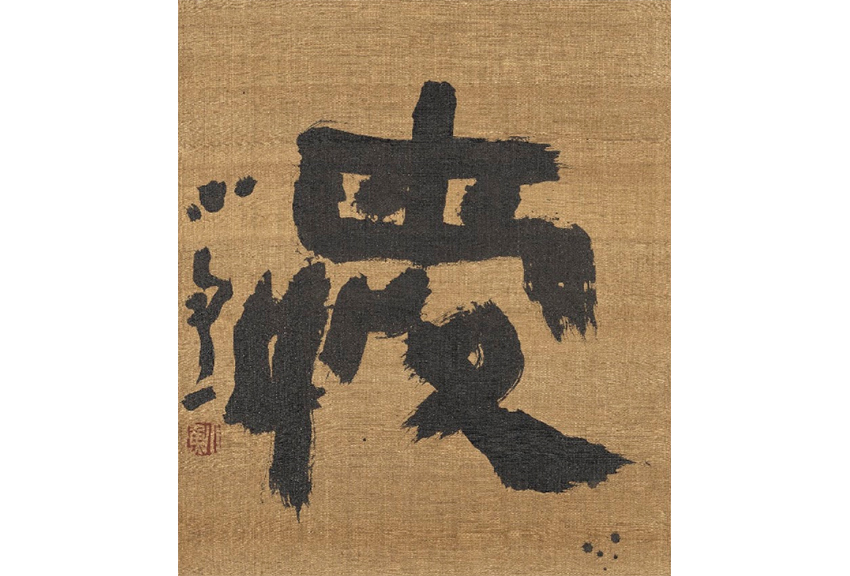
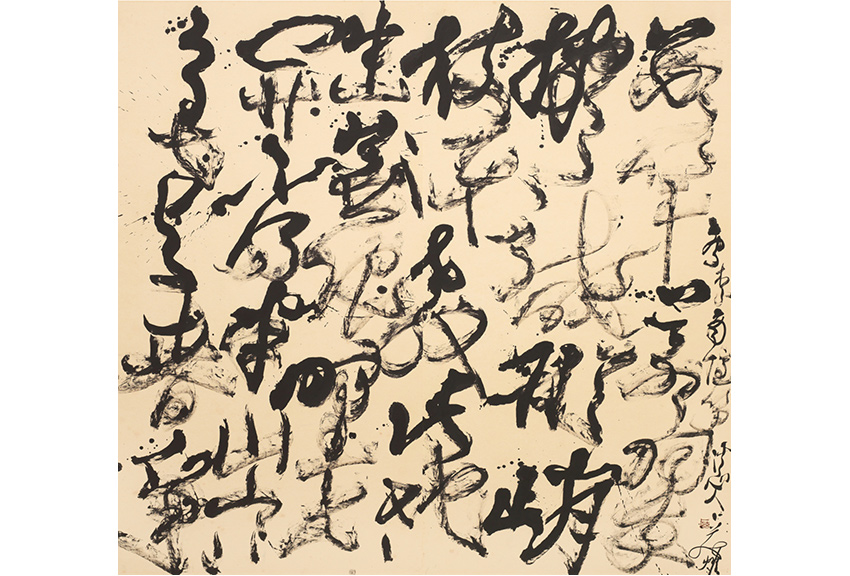
This exhibition seeks to reinterpret the spirit of Eastern brush and ink through a contemporary curatorial approach, opening up, between writing and viewing, a process of linguistic transformation that bridges tradition and the contemporary. The exhibition brings together five highly distinctive artists—Buzi, Xiaoyu, Li Yihong, Lin Changhu, and Liang Chen-Ming. Although their creative paths differ, all are rooted in the traditions of Eastern brush and ink, developing distinct artistic vocabularies through the interplay of calligraphic practice, materials, nature, and spirituality. In his later years, Buzi developed the highly recognizable “Eight-Stroke Spiral Script,” using the rotation of brush movements and multiple relationships of force to break through established structures of writing. In his work, brush and ink become a direct manifestation of inner spirit and bodily energy, revealing a distinctive vitality and expressive tension. Xiaoyu reconsiders the essence of writing through the use of bamboo brushes. The natural instability and rugged texture of bamboo lend her works a strong sense of spontaneity and emergence, creating a distinctive visual language that is both ancient and new, situated between classical spirit and contemporary experimentation. Beginning with the traditions of landscape painting, Li Yihong has spent many years exploring Taiwan’s mountains, forests, coastlines, and natural landscapes, transforming firsthand observation and experiences of local environments into a language of brush and ink. From the Liwu River and wind-eroded rocks to his coastal series, he has developed a distinctive vision of landscape rooted in the unique character of Taiwan as an island. This exhibition presents Lin Changhu’s “Shuxiang Series” alongside his ink paintings, revealing his ongoing exploration of the space between calligraphy and painting. In his Shuxiang works, written characters are liberated from the constraints of legibility, while his ink paintings extend his sustained contemplation of nature and life, articulating an artistic language that combines philosophical reflection with humanistic spirit. Liang Chen-Ming has long centered his artistic practice on Taiwan’s landscapes and natural environments. In particular, his recent “Longdong” series establishes a new vision of landscape through meticulous depictions of the textures of sea-eroded rocks and the innovative use of unconventional materials, creating works that unite refined detail with a distinctly contemporary visual sensibility. With its long-standing international outlook, Taiwan has developed a relatively open attitude toward contemporary innovation. Within this cultural context, Xizhi Tang serves as a space of translation and interpretation, enabling Eastern brush and ink to be continually reread and reinterpreted within a contemporary context. Brush and ink do not merely extend the visual language of history; they continue to generate new ways of seeing and new paths of perception through contemporary experience, returning to the living space where thought and feeling are constantly in motion.
-
Who Finds Quiet Joy? — Calligraphy with Bamboo, Brush, and Iron

- 2026.10.30 - 2026.11.30
- Mon. to Sat. 10:00 - 18:00
- Free Entry
- No. 10, Lane 42, Yixian Road, Xinyi District, Taipei City
You May Also Be Interested In
Chaozhou Street Art Festival
- Upcoming|2026.10.30
TAW CONNECTIONS | Others

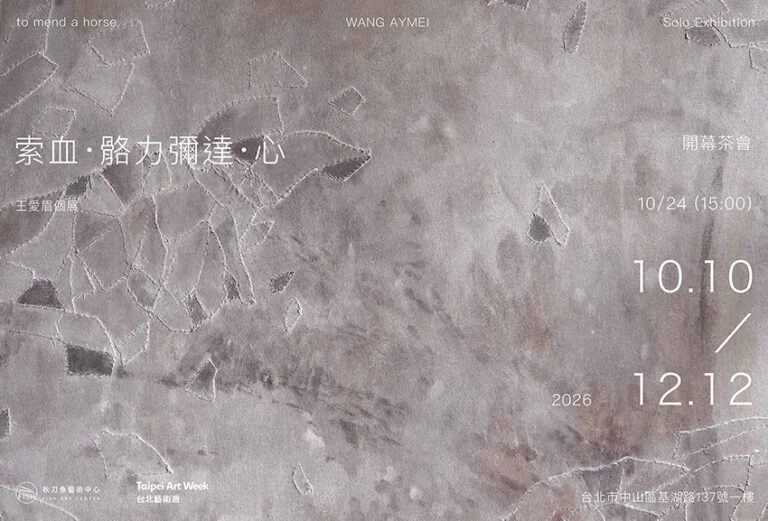
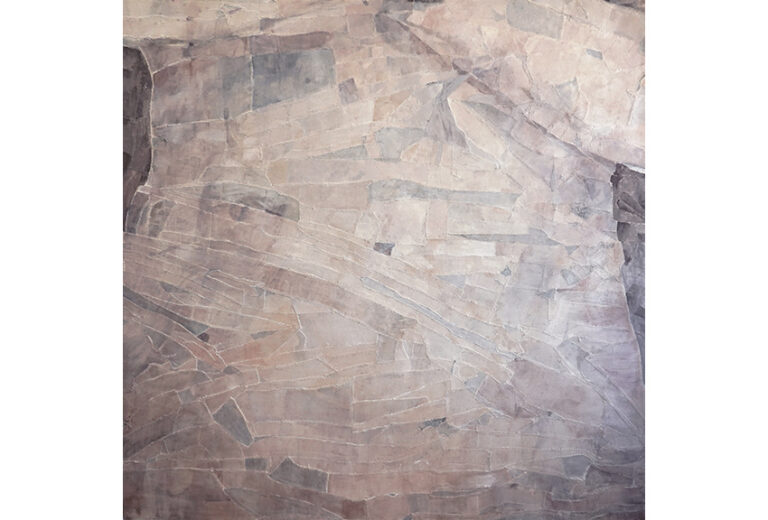
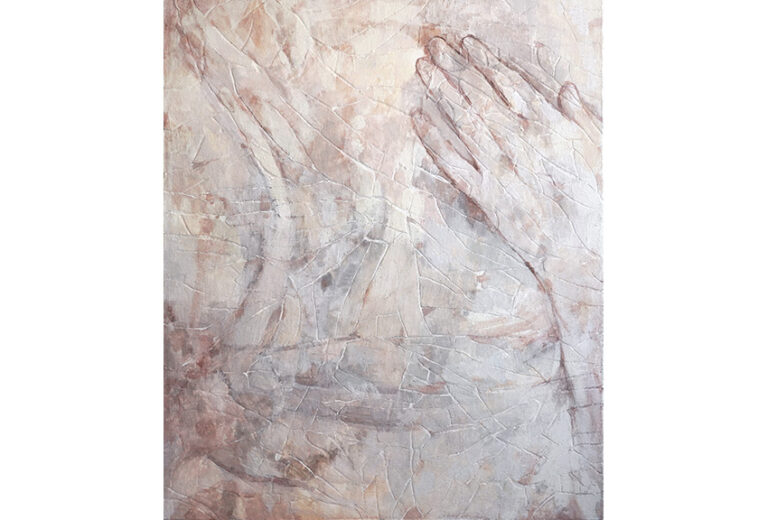
to mend a horse
- Upcoming|2026.10.24 - 2026.11.07
TAW GALLERIES

