
- Directions
- Bookmark
- Share
- prev
- next
-
Glimmer
-
Glimmer
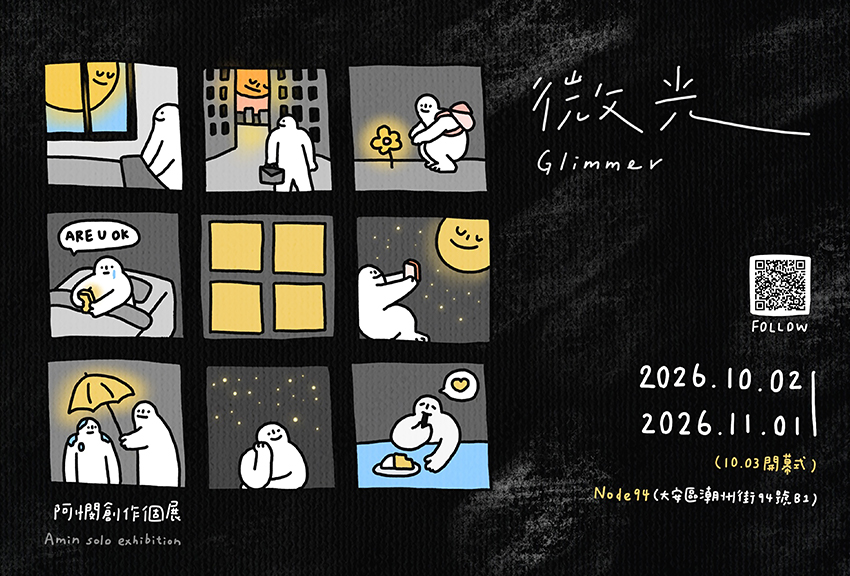
Glimmer takes emotion as its point of departure, turning toward the inner experiences that exist within our everyday lives yet often go unnoticed. At times, they remain hidden in silence; at others, they linger through the solitude of the night, becoming inexpressible yet ever-present parts of our lives.
Yet emotions are not meant simply to be observed, sorted, or erased. What this work seeks to explore is whether, even while we remain within the shadows, we can begin to perceive those subtle and fleeting traces of light.
There are many forms of light woven into everyday life that may not always be recognized as such. It may be the sunset stretching across the city skyline after a long day at work; the stars unexpectedly appearing on a sleepless night; or a message of care arriving at just the right moment. These moments may not be enough to change anything, yet in the depths of difficult emotions, they leave behind a quiet brightness—something small, but still perceptible.
In this sense, the “light” in Glimmer is not the opposite of darkness, nor does it point toward any definite way out. Rather, it exists as a subtle form of perception, inhabiting the spaces where emotion and everyday life intersect.
Perhaps the reason it is called a glimmer is precisely because it never demands attention. It simply exists, quietly and without spectacle, waiting to be noticed in an unexpected moment.
-
Glimmer

- 2026.10.02 - 2026.11.01
- 依徵件計畫最終公告為準(最晚將於9月7日公布)
- Free Entry
- B1F., No. 94, Chaozhou St., Da’an Dist., Taipei City, Taiwan
You May Also Be Interested In

Chaozhou Street Art Festival
- Upcoming|2026.10.30
TAW CONNECTIONS | Others


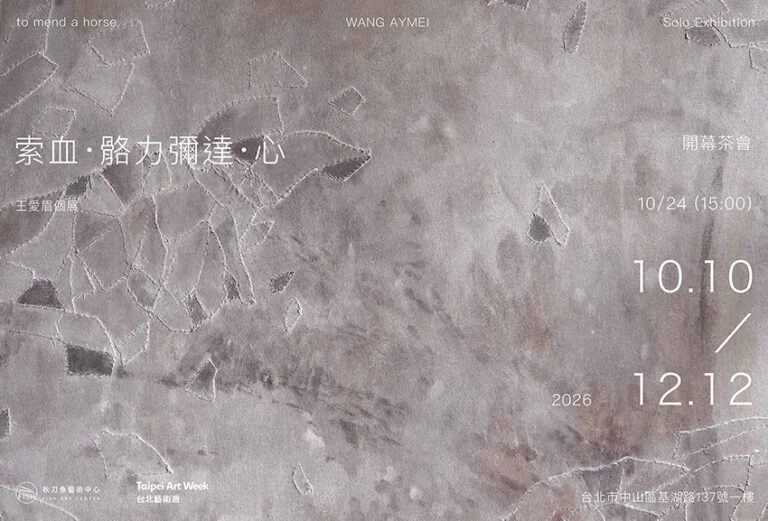
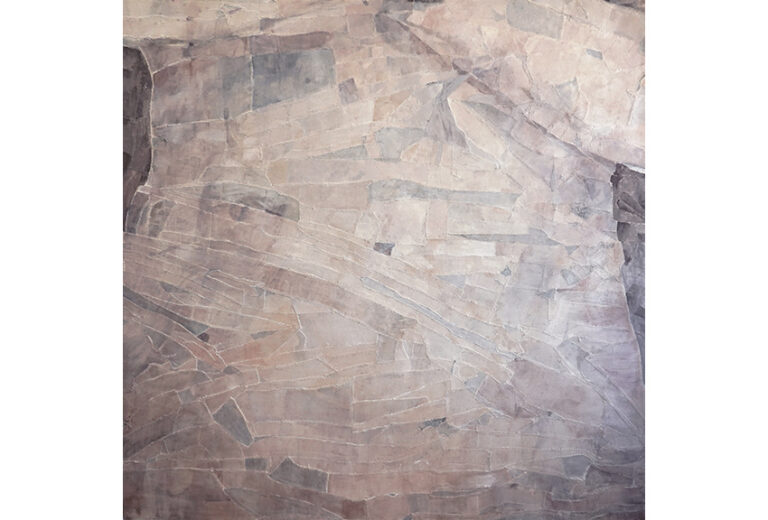
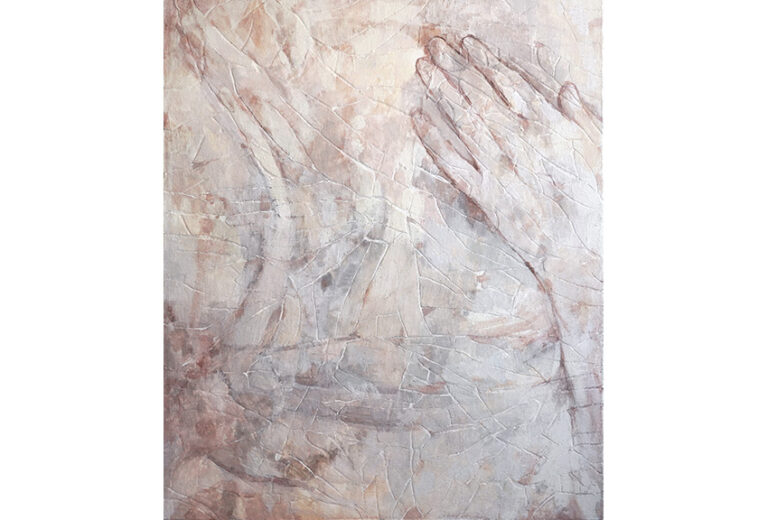
to mend a horse
- Upcoming|2026.10.24 - 2026.11.07
TAW GALLERIES

