-
Event Date2026.10.07 - 2026.11.01
- Directions

- Directions
- Bookmark
- Share
- prev
- next
-
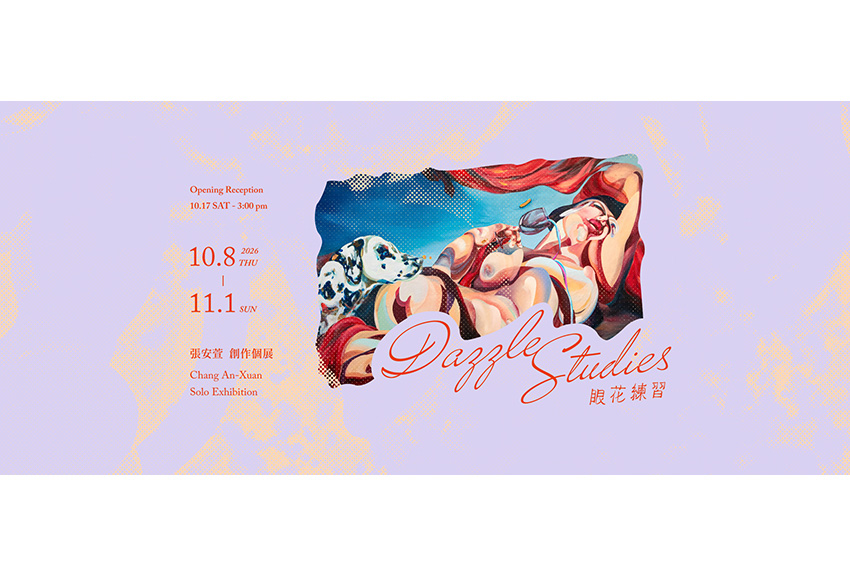
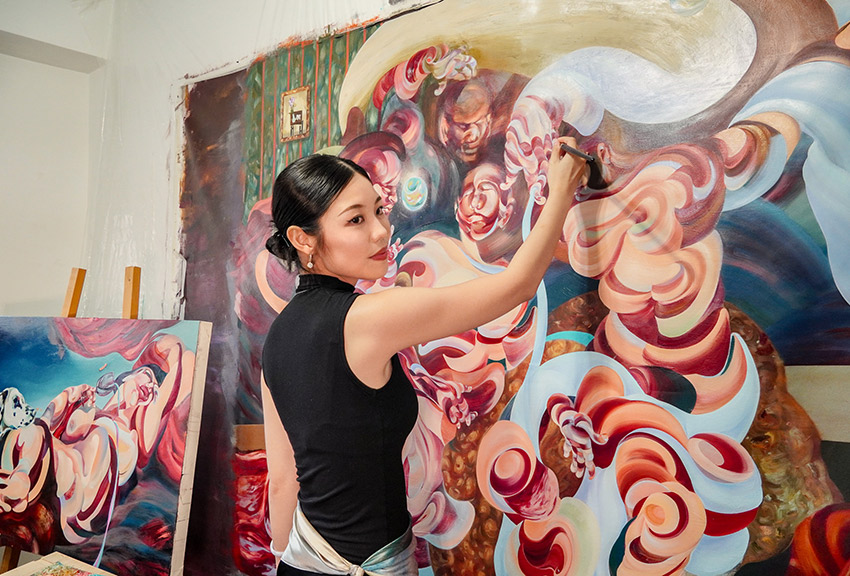
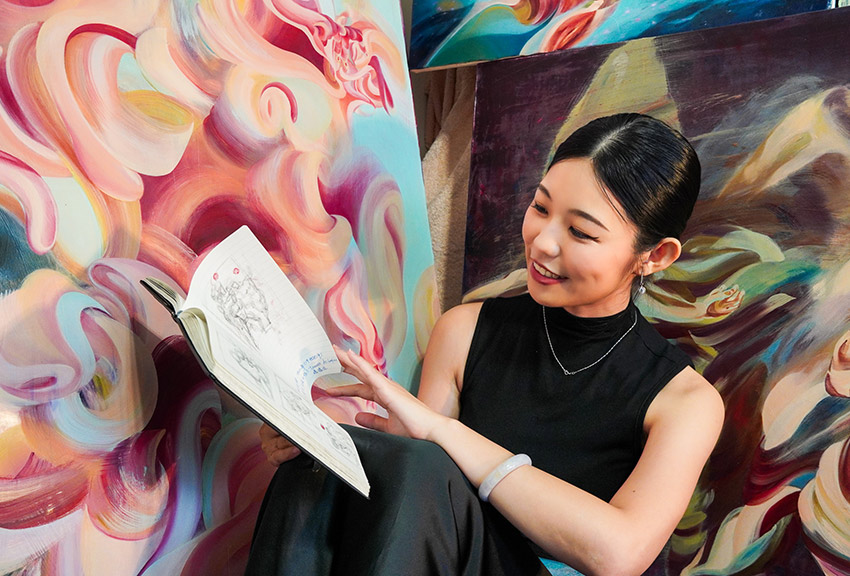
Chang An-Xuan Solo Exhibition: Dazzle Studies
-
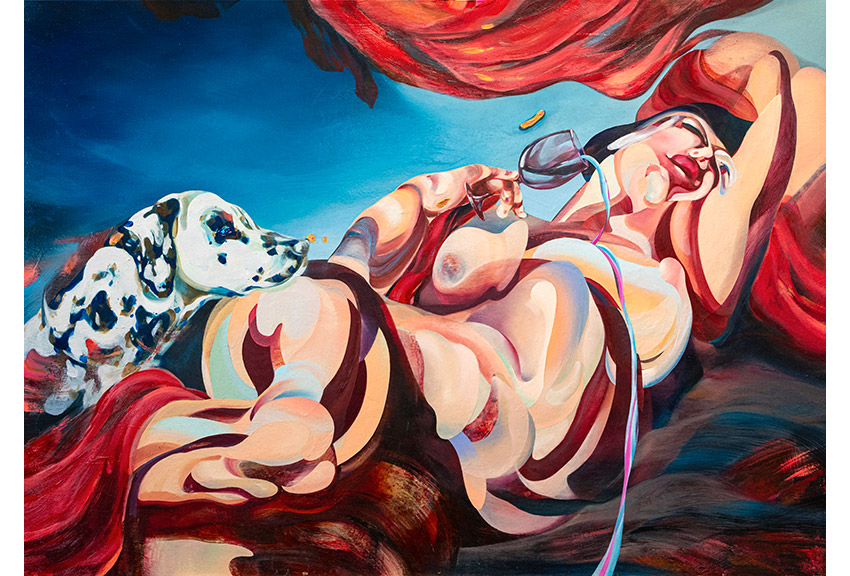
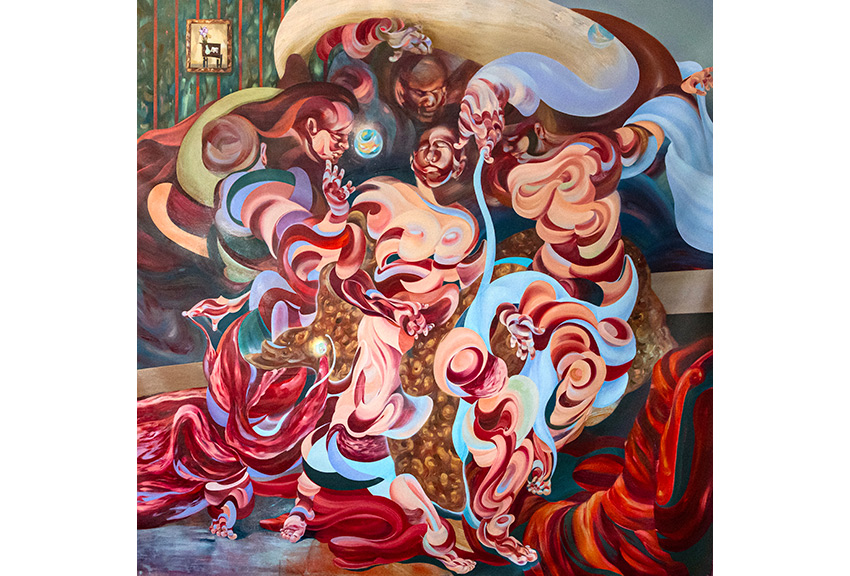
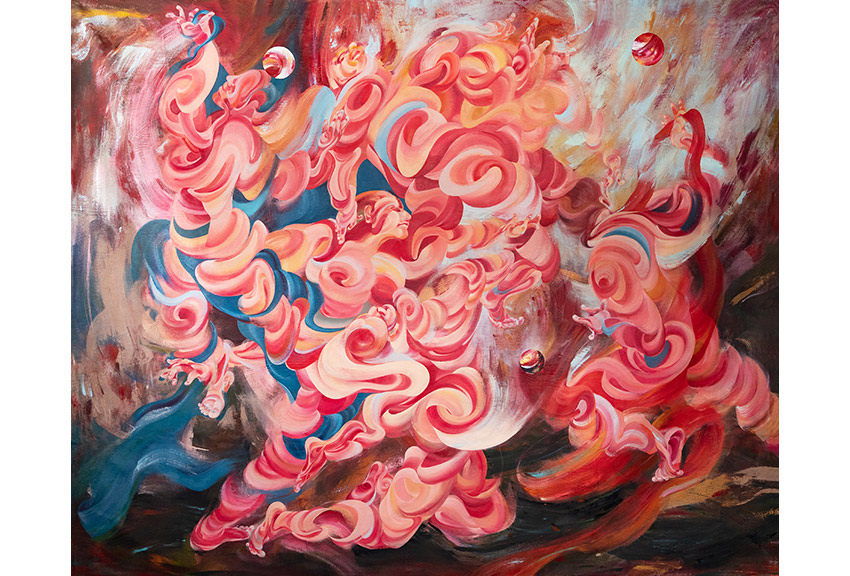
Painting sustains looking and desire alike. To look is never purely aesthetic; it carries an intent of its own, man-made and self-declared.
In the classical world the nude stood for beauty and the sublime, untouched by social custom, and painting let the body be seen directly, without shame. That gaze survived into the present, its focus shifting toward what looking and the media alike came to value: art measured by how far it could travel. By this new century, painting’s viewing had drifted further from its original meaning, turned instead toward readings pulled from outside contexts. This is the misreading that images, layered onto other images, provoke.
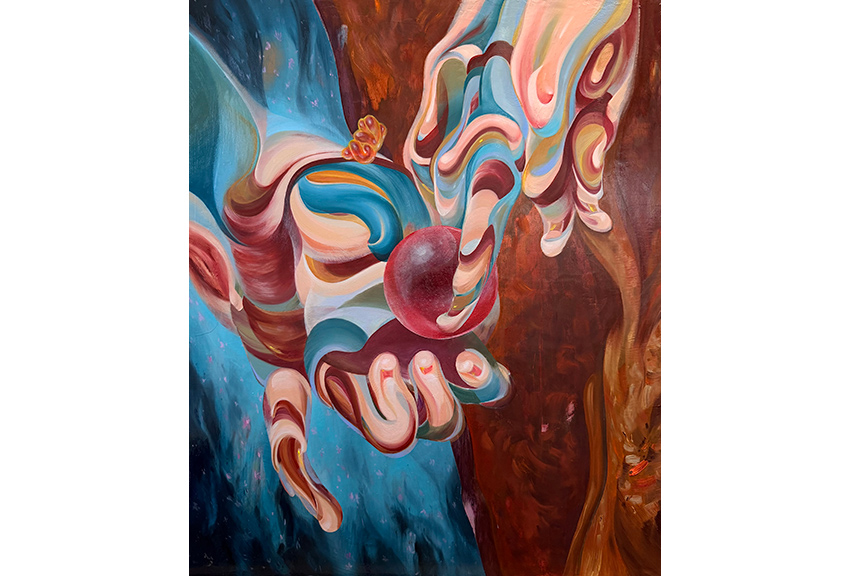
Dazzle Studies answers that confusion: classical composition and bodily form taken apart and reassembled until limbs fit onto one another, flesh against flesh, no boundary left between them. It leans into the mistake instead of correcting it, asking viewers to reconsider beauty, desire, and the self, and to carry something of that resonance after they leave.
-
Chang An-Xuan Solo Exhibition: Dazzle Studies

- 2026.10.08 - 2026.11.01
- Tue. to Sun. 11:00 - 18:00
- Free Entry
- 3F, No. 1, Section 2, Nanjing East Road, Zhongshan District, Taipei City
You May Also Be Interested In
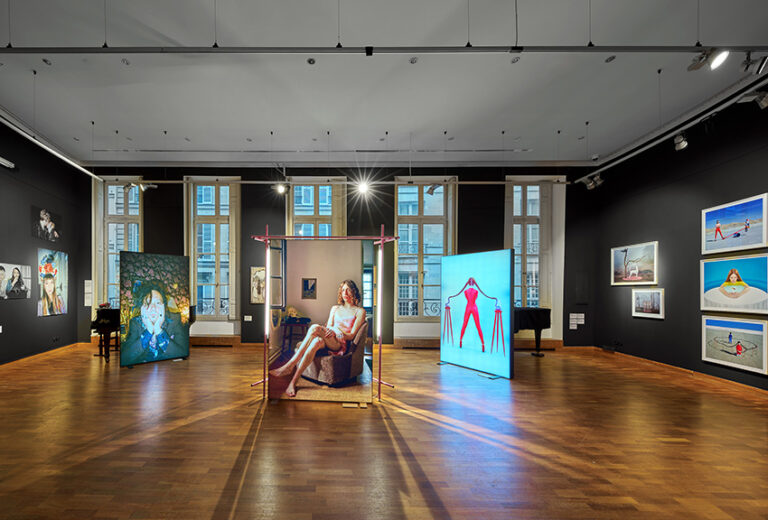
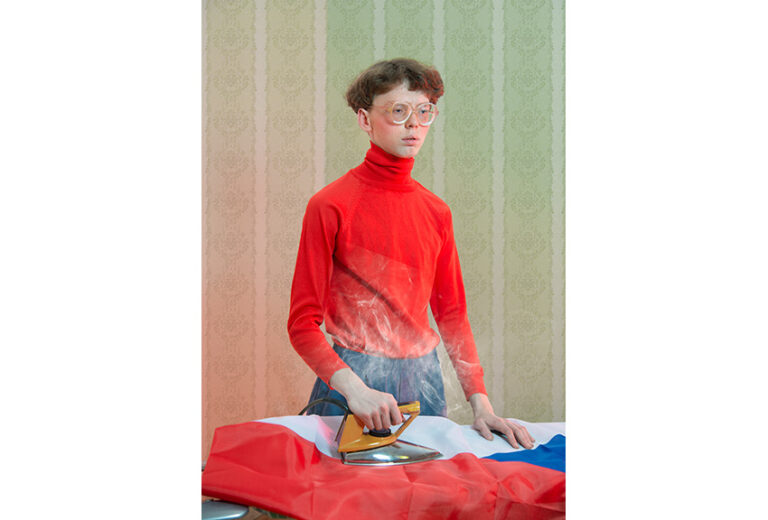
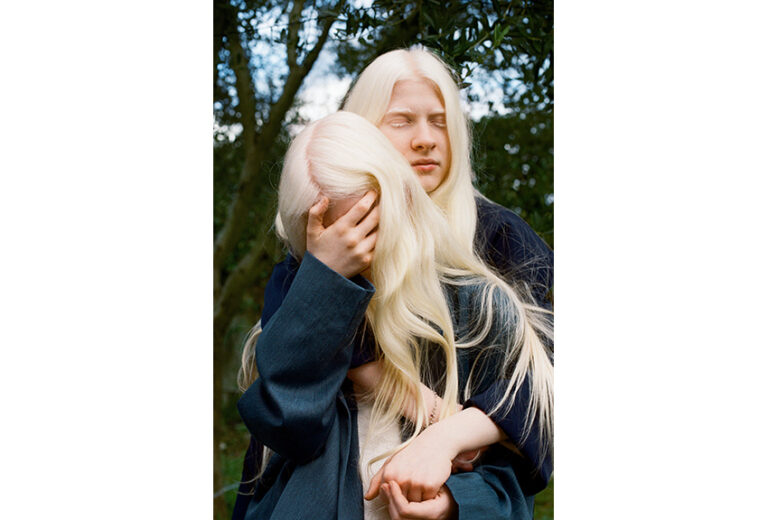
Joy and Retreat: New Tendencies and Visions of Czech Photography
- Ongoing|2026.09.12 - 2026.11.07
TAW CONNECTIONS | Store/Brand
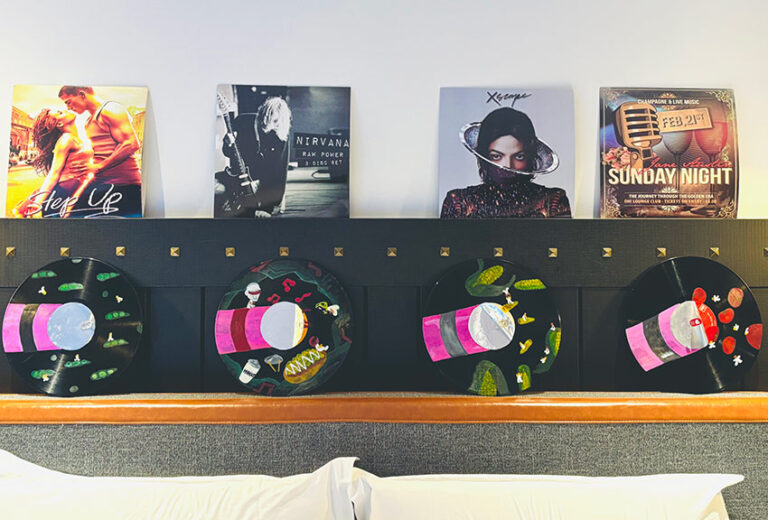
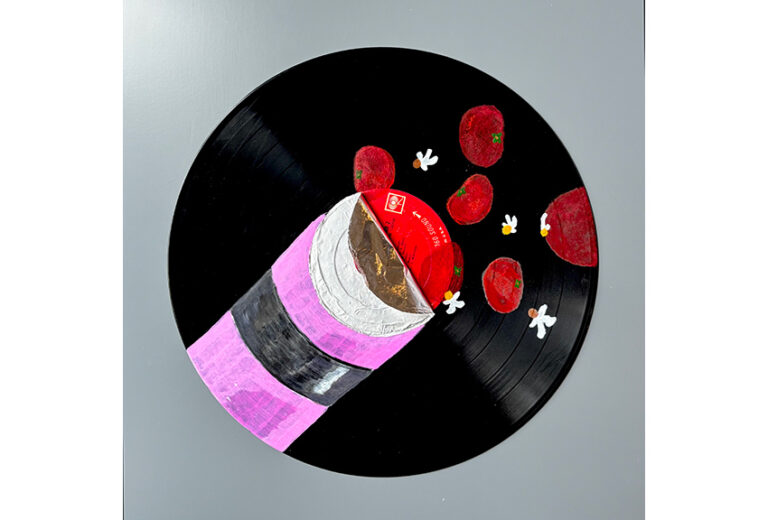
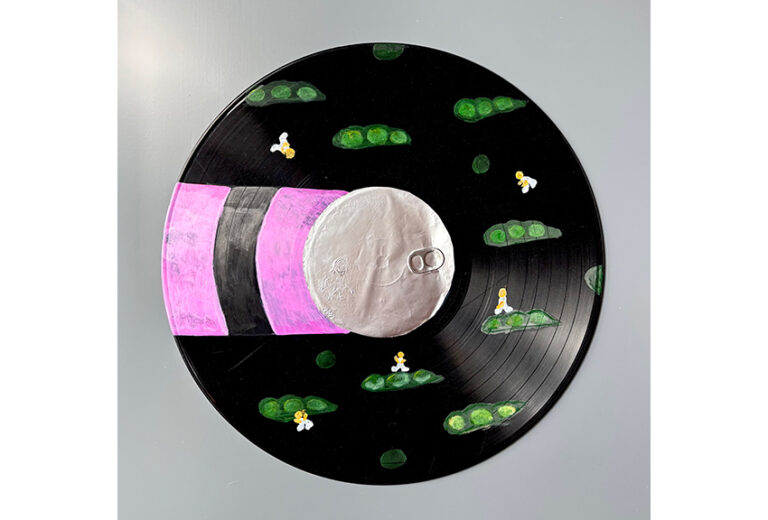
Wandering of Abel: Instanism
- Upcoming|2026.10.29 - 2026.11.01
TAW CONNECTIONS | Others